
-
CALL US 0203 883 4777
Understanding EIS Liquidity Concerns and Long-Term Investment Horizons

The EIS Liquidity Concerns offer significant tax advantages to investors but come with certain challenges, particularly concerning liquidity. Understanding these issues is crucial for potential investors.
Liquidity Concerns For EIS Liquidity Concerns
Limited Market for Shares:
Overview:
EIS shares are typically issued by small, unquoted companies. Consequently, there is a limited secondary market for these shares, making it challenging for investors to sell their shares before the end of the minimum holding period.
Impact:
Investors should prepare to hold their investment for at least three years to benefit from the Holding period for EIS. Selling shares before this period may result in the loss of tax benefits, including the 30% income tax relief and the capital gains tax (CGT) exemption on any profits.
Example:
John invests £50,000 in an EIS-qualifying company. After two years, he needs liquidity and attempts to sell his shares. Due to the limited market, he struggles to find a buyer and loses 30% income tax relief and CGT exemption on any profits if he sells.
Long-Term Investment Horizon
Typical Holding Period:
Overview:
The minimum holding period for EIS Liquidity Concerns shares to retain the tax advantages is three years. This long-term horizon is essential to enjoy the full suite of EIS benefits, including income tax relief, CGT exemption, and loss relief.
Realistic Expectations:
Investors should set realistic expectations about liquidity and the duration of their investment. EIS is best suited for those who can commit to a long-term investment strategy and are comfortable with the risks associated with early-stage companies.
Example:
Sarah invests £100,000 in an EIS-eligible green energy startup. She holds her shares for five years. During this period, the company grows significantly, and she benefits from both the 30% income tax relief and a substantial tax-free capital gain when she eventually sells her shares.
Practical Advice from Apex Accountants
Apex Accountants offer valuable assistance for investors navigating the complexities of the EIS Liquidity Concerns:
- Advance Assurance: We assist in obtaining advance assurance from HMRC, which provides comfort to investors regarding the EIS eligibility of their investment.
- Compliance Monitoring: We ensure ongoing compliance with EIS requirements to maintain eligibility for tax reliefs.
- Exit Strategy Planning: We advise on potential exit strategies and their implications for Holding period for EIS, helping investors understand the liquidity aspects of their investment.
Worked Example:
Scenario:
CleanTech Ltd. aims to raise £800,000 through EIS Liquidity Concerns. Apex Accountants guide them through securing advance assurance, ensuring compliance, and advising investors on the expected holding period and liquidity concerns.
Outcome: Investors in CleanTech Ltd successfully claim their tax reliefs and understand the long-term nature of their investment, supported by Apex’s expertise.
Ready to leverage expert advice from EIS advisors UK for your business growth? Contact Apex Accountants today for guidance on securing advance assurance and maintaining compliance. Maximise your benefits and ensure smooth EIS-eligible investments with our comprehensive support. Reach out now to start your EIS Liquidity Concerns journey!
Recent Posts

Accountant for Community Pharmacy UK: VAT and Tax Guide
A pharmacy can look profitable on paper while still facing tight cash flow. NHS income, retail sales, dispensing margins, staff...

HMRC’s First Cryptoasset Statistics Show Why Records Matter
Capital Gains Tax is becoming increasingly important for UK crypto investors as HMRC gains access to more detailed information about...
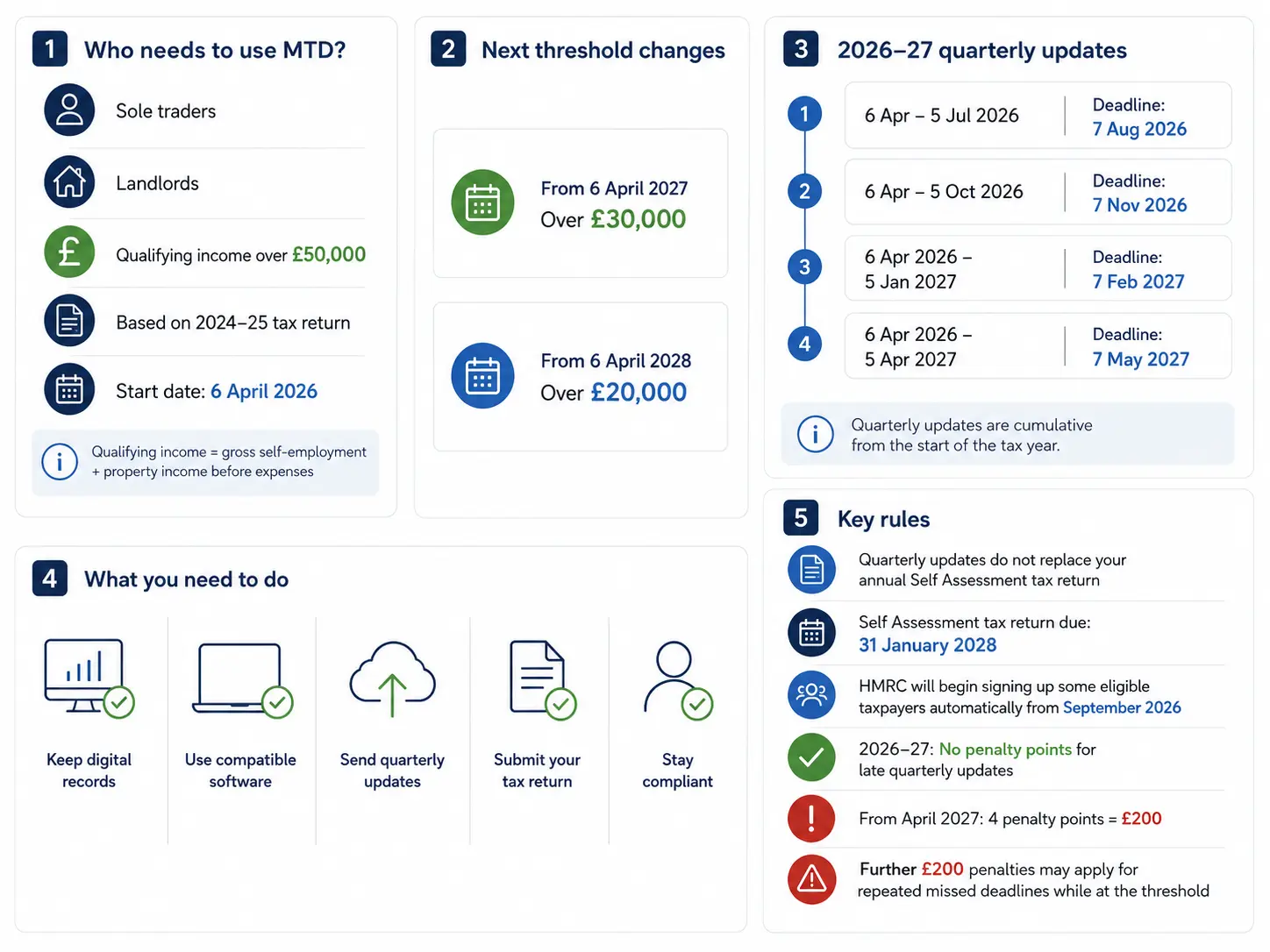
Making Tax Digital for Income Tax 2026: What to Do Now
A sole trader may have completed the first MTD quarterly update without realising that the next deadline is already approaching....

MTD for Income Tax: What Sole Traders and Landlords Should Do After the First Deadline
A client came to Apex Accountants last week, a sole trader with two income streams, unsure whether she had met...

HMRC’s 436,000 MTD Milestone: What Sole Traders and Landlords Should Do Before September
We are increasingly asked the same question by clients who have heard about Making Tax Digital but are not sure...

HMRC Late Payment Interest Rate: What 7.75% Costs You
Miss a tax deadline today and HMRC charges 7.75% a year on the outstanding balance. The Bank of England’s base...

Electricity VAT Cut 2026: What the Six-Month Zero Rate Means from 1 October
The government’s announcement, made in July by new Prime Minister Andy Burnham as one of his first acts in office,...

What Happens to Your Personal Allowance Above £100,000 Income?
For UK taxpayers asking “What happens to my Personal Allowance if I earn over £100,000?”, the answer depends on HMRC’s...

Tax Codes: What Should You Put for Personal Allowances?
For UK employees, pensioners and employers asking, “What should I put for personal allowances?”, the answer depends on the person’s...

Complete Guide on First Making Tax Digital Quarterly Update Deadline 2026
We are increasingly hearing from sole traders and landlords who know that Making Tax Digital started in April but remain...