
-
CALL US 0203 883 4777
The Advantages of Automation in Reducing Compliance Risks

Organisations today face ongoing challenges in maintaining compliance. The advantages of automation play a critical role in overcoming these hurdles. By automating financial processes, organisations can reduce human error, create clear audit trails, and consistently apply accounting rules.
Reducing Human Error
Manual financial processes are prone to mistakes. Errors from incorrect data entry, miscalculations, or simple oversights can lead to serious compliance issues. Automated systems offer a solution by:
- Removing the need for manual financial processes, which are often error-prone.
- Standardising tasks across the board, making sure they are done consistently.
- Using real-time validation to detect errors before they become problems.
With automated tools, there is less room for mistakes. This is one of the key advantages of automation in risk reduction.
Providing Clear Audit Trails
Audit trails are crucial for compliance. They allow for thorough reviews during audits or investigations. Automation supports this by:
- Keeping detailed logs of all transactions, including timestamps.
- Tracking each entry makes it easy to trace back to its origin.
- Creating immutable records, ensuring data cannot be tampered with.
These features help organisations stay compliant and present clear records to auditors, adding another advantage of automation.
Consistent Application of Accounting Rules
Inconsistent application of accounting rules can lead to compliance issues. Automation helps by:
- Automatically updating systems with the latest regulatory requirements.
- Enforcing company policies across all transactions.
- Monitoring financial activities for anomalies or rule violations.
This consistent approach increases the reliability of financial reporting.
How Apex Accountants Can Assist
At Apex Accountants, we understand the importance of automation in reducing compliance risks. Our services can help your organisation by:
- Reviewing your current manual financial processes to spot potential risks.
- Assisting in the selection and implementation of an automated financial process that suits your needs.
- Offering training and ongoing support for your staff to use these systems effectively.
The advantages of automation are clear. Contact Apex Accountants today to learn how our services can help your organisation reduce compliance risks and improve your financial operations.
Recent Posts

Self Assessment Registration Deadline: What to Do Before 5 October 2026
We’re increasingly asked by clients who started trading during 2025/26: “Do I need to register for Self Assessment?” It’s a...

R&D Tax Relief 2026: New HMRC Rules and How to Claim Successfully
We’re seeing more companies come to us after having their R&D tax relief claims questioned, returned, or rejected by HMRC....

HMRC Auto-Registration for MTD: What Happens If You Don’t Sign Up First
Sole traders and landlords are increasingly asking what happens if they do not respond to Making Tax Digital sign-up letters....

A Complete Guide to UK Airbnb Tax: Rules, Reliefs and Rates for 2026/27
A host can receive regular Airbnb bookings and still be unsure whether HMRC sees the income as a small side...
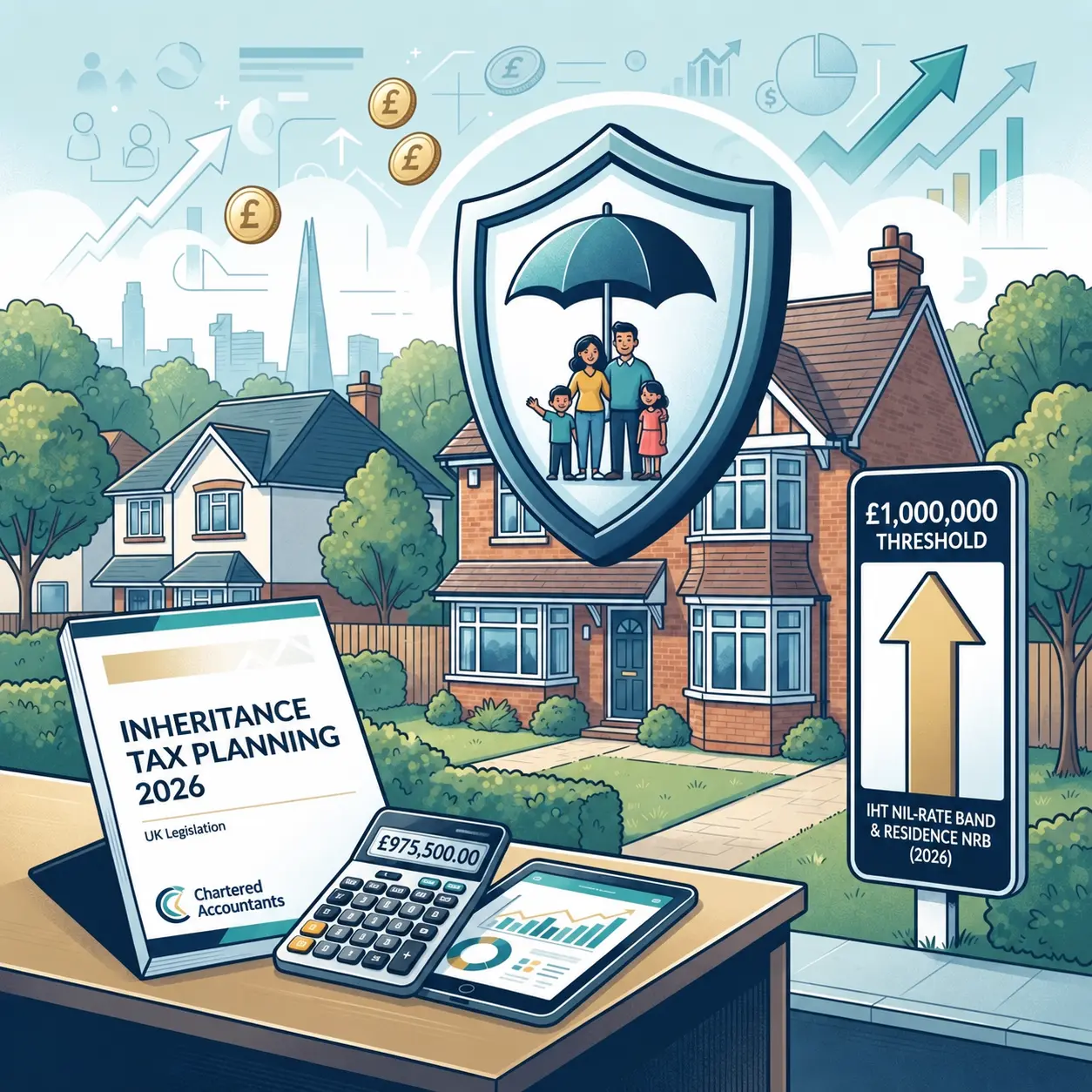
Inheritance Tax Planning: A Practical UK Guide for 2026
A couple in their late sixties own a home worth £750,000 and have £700,000 in savings and investments. Their combined...

Accountant for Community Pharmacy UK: VAT and Tax Guide
A pharmacy can look profitable on paper while still facing tight cash flow. NHS income, retail sales, dispensing margins, staff...

HMRC’s First Cryptoasset Statistics Show Why Records Matter
Capital Gains Tax is becoming increasingly important for UK crypto investors as HMRC gains access to more detailed information about...

Making Tax Digital for Income Tax 2026: What to Do Now
A sole trader may have completed the first MTD quarterly update without realising that the next deadline is already approaching....

MTD for Income Tax: What Sole Traders and Landlords Should Do After the First Deadline
A client came to Apex Accountants last week, a sole trader with two income streams, unsure whether she had met...

HMRC’s 436,000 MTD Milestone: What Sole Traders and Landlords Should Do Before September
We are increasingly asked the same question by clients who have heard about Making Tax Digital but are not sure...