
-
CALL US 0203 883 4777
Tax Avoidance and Tax Evasion
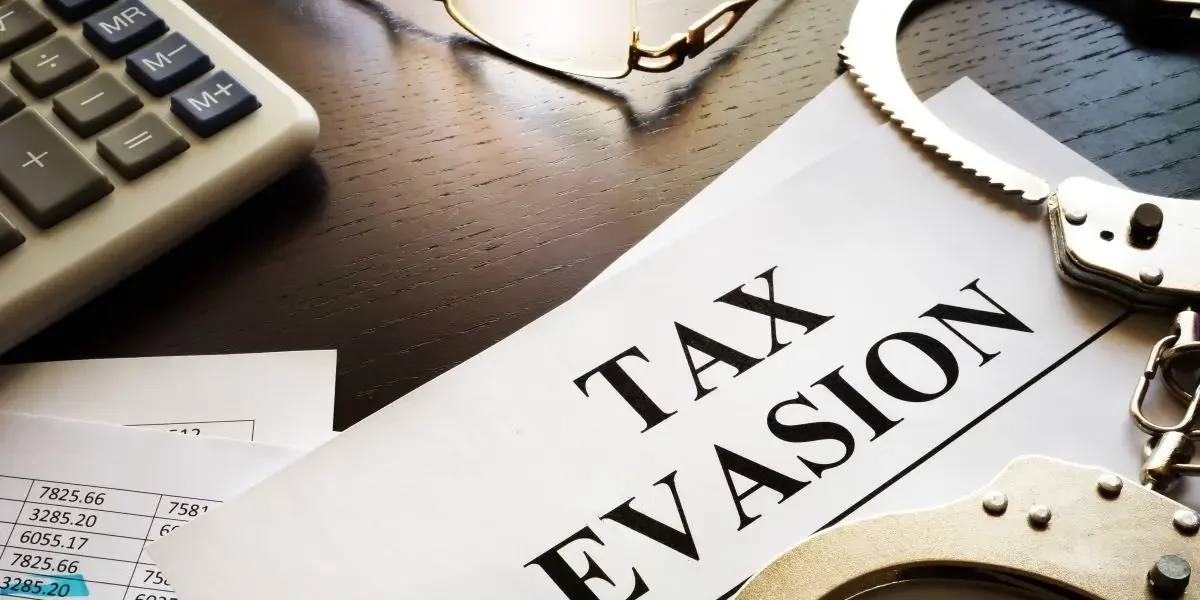
Tax avoidance is not tax evasion. Companies and individuals may lawfully navigate the tax system without legal penalties.
What is tax avoidance?
Tax avoidance is the lawful exploitation of the current tax system by a person or a company.
Creating an offshore corporation in a “tax haven,” where less tax is due than in the firm’s real home base, is one way to do this.
Tax avoidance can look like other actions too, including keeping money in savings accounts such as an ISA to avoid having to pay income tax on any earnings. Other people may also choose to keep their savings out of a bank account and invest them into a pension scheme instead.
What is tax evasion?
Tax evasion refers to when individual or company knowingly choose to do something unlawful and let it to happen to avoid paying taxes. This is considerably simpler to establish since tax evasion requires a clear determination to deliberately conduct a criminal offence to avoid paying taxes. Tax evasion is a severe offence that carries fines, penalties, and possibly prison time if the offender is proved guilty.
What is the difference between tax avoidance and tax evasion?
Although there are guidelines that clearly separate tax avoidance from tax evasion, there may be a thin line between the two if you want to avoid paying taxes without breaking the law.
If an individual or company takes steps to evade paying taxes using tax avoidance schemes, savings accounts, or other means while lying or concealing crucial information, numbers, and facts, it may considered a criminal offence. For instance, placing money in a savings account to reduce tax payment is lawful, but hiding assets or information constitutes tax evasion.
Is it possible that my company is engaging in tax evasion or tax avoidance?
To avoid getting in trouble with HMRC, it’s crucial to have a firm grasp of all aspects of taxation, including but not limited to, Tax payments, Tax returns, Tax rates, and Tax obligations.
The examples below will help you to narrow down the difference between tax avoidance and evasion:
Tax evasion examples:
- Hide, suppress, or hide crucial data from government agencies like HMRC.
- Earnings or money received that are not being fully reported.
- Taking Disguised remuneration
Tax avoidance examples:
- Becoming resident in a low-income tax rate country
- Entering an arrangement only with the intention of saving tax
- Taking Disguised remuneration
- Exceeding the threshold of gift money / asset to family members to avoid inheritance tax
Are there penalties for tax evasion?
Some individuals and companies get in trouble with the HMRC because they misunderstand the difference between tax avoidance and tax evasion.
If HMRC finds you guilty of tax evasion, they may compel you to return the tax and any interest that has accumulated, as well as impose further penalties up to 100% of the tax lost to HMRC, including prison time. The penalty for tax evasion might vary based on how aggressive the evasion was, how much tax was avoided, and how long it went on for, whether it was in the UK or overseas.
.
HMRC has now powers to publicly name the directors of tax avoidance promoting companies.
We provide a free tax health check for your company to assess tax compliance.
If you are looking to know more about how we could help, please feel free to Book a free consultation with us now.
Recent Posts
R&D Tax Relief 2026: New HMRC Rules and How to Claim Successfully
We’re seeing more companies come to us after having their R&D tax relief claims questioned, returned, or rejected by HMRC....

HMRC Auto-Registration for MTD: What Happens If You Don’t Sign Up First
Sole traders and landlords are increasingly asking what happens if they do not respond to Making Tax Digital sign-up letters....

A Complete Guide to UK Airbnb Tax: Rules, Reliefs and Rates for 2026/27
A host can receive regular Airbnb bookings and still be unsure whether HMRC sees the income as a small side...
Inheritance Tax Planning: A Practical UK Guide for 2026
A couple in their late sixties own a home worth £750,000 and have £700,000 in savings and investments. Their combined...

Accountant for Community Pharmacy UK: VAT and Tax Guide
A pharmacy can look profitable on paper while still facing tight cash flow. NHS income, retail sales, dispensing margins, staff...

HMRC’s First Cryptoasset Statistics Show Why Records Matter
Capital Gains Tax is becoming increasingly important for UK crypto investors as HMRC gains access to more detailed information about...

Making Tax Digital for Income Tax 2026: What to Do Now
A sole trader may have completed the first MTD quarterly update without realising that the next deadline is already approaching....

MTD for Income Tax: What Sole Traders and Landlords Should Do After the First Deadline
A client came to Apex Accountants last week, a sole trader with two income streams, unsure whether she had met...

HMRC’s 436,000 MTD Milestone: What Sole Traders and Landlords Should Do Before September
We are increasingly asked the same question by clients who have heard about Making Tax Digital but are not sure...

HMRC Late Payment Interest Rate: What 7.75% Costs You
Miss a tax deadline today and HMRC charges 7.75% a year on the outstanding balance. The Bank of England’s base...