
-
CALL US 0203 883 4777
Maximizing Your Tax Efficiency: Strategies for Successful UK Tax Planning and Compliance

Every UK taxpayer has a legal obligation to pay taxes on income and assets. However, with proper tax planning and compliance, one can legally minimize tax liabilities and maximize tax efficiency. I will guide you through the key strategies for successful UK tax planning and compliance.
Tax planning involves taking proactive steps to legally minimize your tax liability. On the other hand, tax compliance refers to adhering to the tax laws and regulations set by HMRC. In the UK, taxpayers are required to file various tax returns, such as income tax, capital gains tax, and inheritance tax, among others.
Benefits of Tax Planning and Compliance
Proper tax planning and compliance have several benefits for individuals and businesses alike. These include:
1. Lower Tax Liability
By taking advantage of tax reliefs and allowances and avoiding common tax mistakes, you can legally reduce your tax liability, leaving you with more money to invest or save.
2. Improved Cash Flow
Tax planning allows you to forecast your tax liabilities and plan your finances accordingly, ensuring that you have enough cash flow to meet your tax obligations.
3. Avoiding Penalties
Non-compliance with UK tax laws can result in hefty penalties, interest charges, and even legal action. Proper tax planning and compliance can help you avoid these consequences.
Understanding UK Tax Laws and Regulations
To maximize your tax efficiency, you must have a good understanding of UK tax laws and regulations. The UK tax system is complex and subject to frequent changes, making it challenging for the average taxpayer to keep up. However, some of the key areas to keep in mind include:
1. Tax Rates and Thresholds
The UK tax rates and thresholds vary depending on the type of tax, income level, and other factors. For instance, the current income tax rates range from 20% to 45%, while the capital gains tax rate is 20%, with some exceptions.
2. Tax Reliefs and Allowances
The UK tax system provides various reliefs and allowances that can help you reduce your tax liability. Examples include personal allowance, dividend allowance, and pension contributions.
3. Tax Deadlines
HMRC sets strict deadlines for filing tax returns and paying taxes. Failure to meet these deadlines can result in penalties and interest charges.
Strategies for Maximizing Tax Efficiency
To maximize your tax efficiency, you can consider the following strategies:
1. Use Tax-Advantaged Accounts
Tax-advantaged accounts, such as ISAs, pensions, and venture capital trusts, offer tax benefits that can help you save on taxes. For instance, contributions to pensions are usually tax-deductible, while ISAs provide tax-free growth and withdrawals.
2. Plan Your Investments
Careful investment planning can help you minimize your tax liability. For instance, you can invest in tax-efficient assets, such as stocks and shares ISAs, or use tax-loss harvesting to offset gains with losses.
3. Consider Incorporation
If you are a sole trader or partnership, incorporating your business can help you reduce your tax liability by taking advantage of lower corporation tax rates and other reliefs.
Tax Planning for Individuals
As an individual taxpayer, some of the key tax planning strategies to consider include:
1. Maximizing Your Allowances
By taking advantage of your personal allowance and other tax reliefs, you can reduce your taxable income and lower your tax liability.
2. Planning Your Pension Contributions
Contributions to pensions are usually tax-deductible, allowing you to save on taxes while also building your retirement fund.
3. Making Use of Gift Aid
Gift Aid allows you to donate to charity and claim tax relief on the donation. This can help you reduce your tax liability while supporting a good cause.
Tax Planning for Businesses
For businesses, tax planning should be an integral part of the financial planning process. Some of the key strategies to consider include:
1. Claiming Tax-Deductible Expenses
Businesses can claim tax relief on various expenses, such as rent, travel, and equipment. By keeping accurate records and claiming all eligible expenses, you can reduce your tax liability.
2. Maximizing Capital Allowances
Capital allowances allow businesses to claim tax relief on investments in assets such as machinery, equipment, and vehicles. By maximizing your capital allowances, you can reduce your taxable profits and lower your tax liability.
3. Planning Your Business Structure
Choosing the right business structure, such as a limited liability company, can help you reduce your tax liability by taking advantage of lower corporation tax rates and other reliefs.
Compliance with UK Tax Laws
Compliance with UK tax laws is essential to avoid penalties and legal action. Some of the key compliance requirements include:
1. Registering for Taxes
If you are self-employed or running a business, you must register for relevant taxes, such as income tax, VAT, and corporation tax.
2. Filing Tax Returns
HMRC requires taxpayers to file various tax returns, such as self-assessment tax returns, corporation tax returns, and VAT returns, among others.
3. Paying Taxes on Time
HMRC sets strict deadlines for paying taxes, and failure to meet these deadlines can result in penalties and interest charges.
Common Tax Mistakes to Avoid
To avoid unnecessary tax liabilities and penalties, you should avoid the following common tax mistakes:
1. Inaccurate Record-Keeping
Poor record-keeping can lead to errors in tax returns, resulting in higher tax liabilities and penalties.
2. Missing Deadlines
Missing tax deadlines can result in penalties and interest charges that can add up quickly.
3. Ignoring Tax Reliefs and Allowances
Failing to take advantage of tax relief and allowances can result in a higher tax liability than necessary.
Hiring a Tax Professional for Help
Moreover, If you are unsure about your tax planning and compliance obligations, you may want to consider hiring a tax professional for help. Furthermore, a qualified tax advisor can help you navigate the complex UK tax system, identify tax-saving opportunities, and ensure compliance with tax laws and regulations.
Conclusion
Maximizing your tax efficiency requires a proactive approach to tax planning and compliance. By understanding the UK tax laws and regulations, implementing tax-saving strategies, and complying with tax requirements, you can legally reduce your tax liability and improve your financial position. If you need help with your tax planning and compliance, consider hiring a qualified tax professional to guide you through the process.
If you are looking to plan your tax affair efficiently, please feel free to Book a free consultation with us now.
Recent Posts
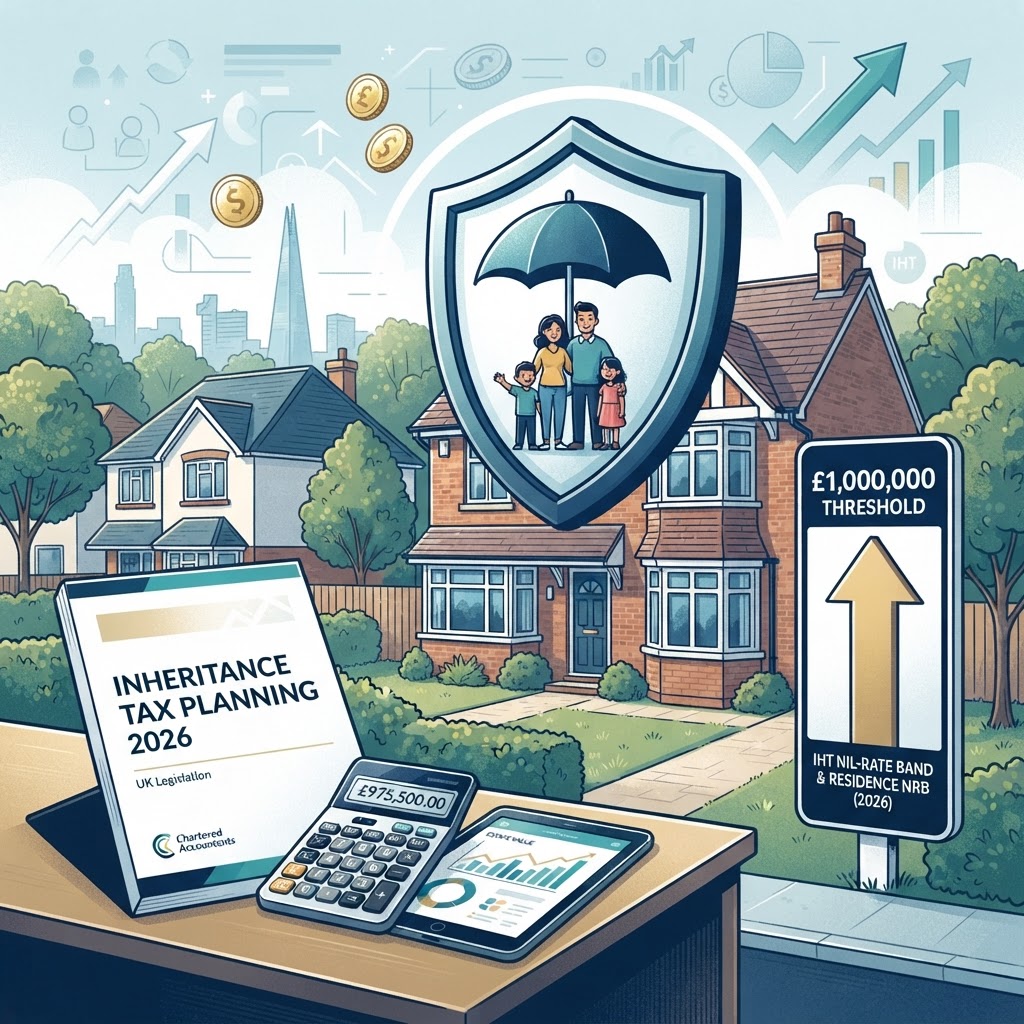
Inheritance Tax Planning: A Practical UK Guide for 2026
A couple in their late sixties own a home worth £750,000 and have £700,000 in savings and investments. Their combined...

Accountant for Community Pharmacy UK: VAT and Tax Guide
A pharmacy can look profitable on paper while still facing tight cash flow. NHS income, retail sales, dispensing margins, staff...

HMRC’s First Cryptoasset Statistics Show Why Records Matter
Capital Gains Tax is becoming increasingly important for UK crypto investors as HMRC gains access to more detailed information about...

Making Tax Digital for Income Tax 2026: What to Do Now
A sole trader may have completed the first MTD quarterly update without realising that the next deadline is already approaching....

MTD for Income Tax: What Sole Traders and Landlords Should Do After the First Deadline
A client came to Apex Accountants last week, a sole trader with two income streams, unsure whether she had met...

HMRC’s 436,000 MTD Milestone: What Sole Traders and Landlords Should Do Before September
We are increasingly asked the same question by clients who have heard about Making Tax Digital but are not sure...

HMRC Late Payment Interest Rate: What 7.75% Costs You
Miss a tax deadline today and HMRC charges 7.75% a year on the outstanding balance. The Bank of England’s base...
Electricity VAT Cut 2026: What the Six-Month Zero Rate Means from 1 October
The government’s announcement, made in July by new Prime Minister Andy Burnham as one of his first acts in office,...

What Happens to Your Personal Allowance Above £100,000 Income?
For UK taxpayers asking “What happens to my Personal Allowance if I earn over £100,000?”, the answer depends on HMRC’s...

Tax Codes: What Should You Put for Personal Allowances?
For UK employees, pensioners and employers asking, “What should I put for personal allowances?”, the answer depends on the person’s...