
-
CALL US 0203 883 4777
How Board Directors in Historical Preservation Societies Can Use Management Reporting and Tax Insights to Drive Growth
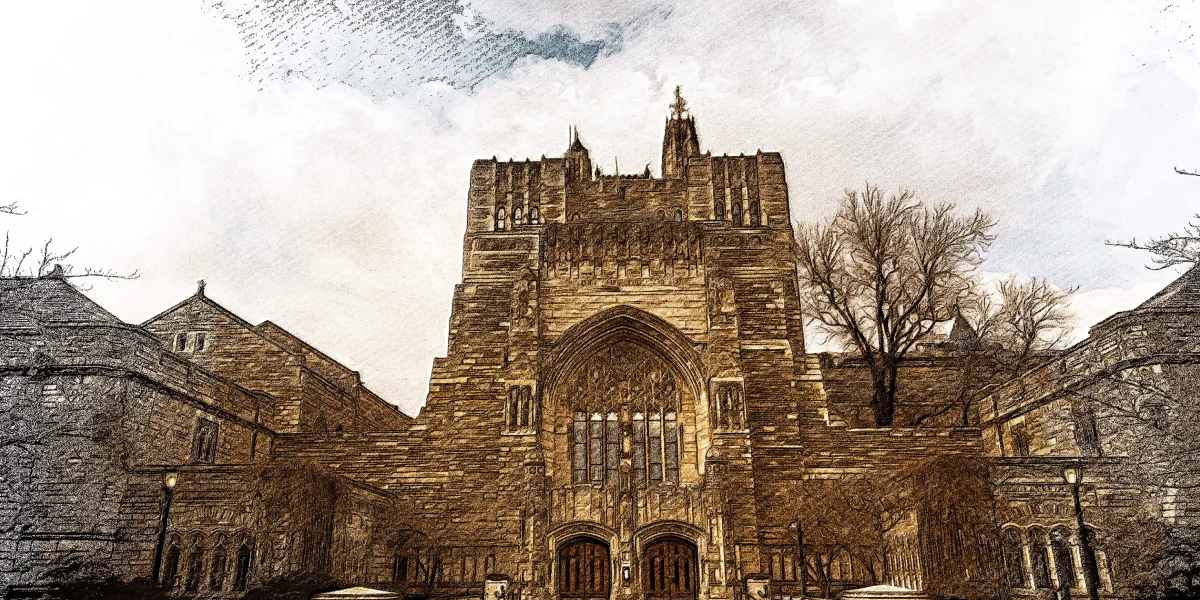
Managing a historical preservation society involves balancing financial sustainability with the responsibility of preserving cultural heritage. Board directors play a crucial role in guiding the organisation towards its goals. However, many directors in this sector struggle with the complexity of financial management and tax compliance. At Apex Accountants, we help historical preservation societies leverage management reporting and tax insights to drive growth, improve efficiency, and ensure long-term sustainability.
This article outlines how historical preservation societies can use these insights to optimise their operations, safeguard their funding, and foster growth.
Importance of Management Reporting For Board Directors
Effective management reporting is essential for ensuring that a historical preservation society is financially healthy and sustainable. Accurate, timely, and clear reporting provides board directors with the data they need to make informed decisions about fundraising, project management, and financial planning.
Key Elements of Management Reporting For Historical Preservation Societies
- Income Tracking: Understanding the breakdown of revenue sources (e.g., donations, grants, memberships, fundraising events) is crucial for evaluating financial health.
- Cost Monitoring: Keeping track of expenses, especially those related to restoration projects, maintenance, and staffing, ensures that funds are used efficiently.
- Cash Flow Forecasting: Predicting future cash flow allows for better planning and helps directors anticipate funding gaps.
- Restricted and Unrestricted Funds: Monitoring these types of funds ensures compliance with donor stipulations and helps the society use funds appropriately.
- Key Performance Indicators (KPIs): Metrics such as visitor numbers, project completion rates, and fundraising targets help directors gauge the organisation’s success and areas needing improvement.
Leveraging Tax Insights for Historical Preservation Societies
Tax compliance is a critical aspect of managing a historical preservation society. Understanding the tax landscape can bring in opportunities for tax reliefs and exemptions, ensuring that the society keeps more of its funds for preservation efforts.
Key Tax Considerations for Historical Preservation Societies
1. Gift Aid:
Charities in the UK, including historical preservation societies, can claim Gift Aid on donations, increasing the value of every contribution by 25%. Directors should ensure that all donations are properly claimed under this scheme.
2. Tax Relief on Donations and Grants:
Many donations and grants made to heritage organisations are eligible for tax relief. For example, preservation societies can receive funding that is tax-exempt, which helps reduce overall tax liabilities.
3. Charity VAT Relief:
Registered charities may be eligible for VAT relief on certain goods and services, reducing the cost of running the organisation and funding preservation projects.
4. Capital Allowances:
Tax relief may also apply to certain capital expenditures, such as repairs and restorations, which are integral to the society’s mission.
5. Property Exemptions:
Historical preservation societies often manage heritage properties. Understanding the tax implications related to property ownership, including potential exemptions, can significantly impact the society’s budget.
How Apex Accountants’ Management Reporting and Tax Insights Can Help
At Apex Accountants, we specialise in supporting historical preservation societies with both management reporting and tax compliance. Our services are designed to ensure that your society operates with transparency, financial accuracy, and optimal tax efficiency. Here’s how we can assist:
Tailored Management Reporting Systems
We help historic preservation societies implement customised reporting systems that track income, expenditures, and project progress. By integrating cloud-based accounting software like Xero or QuickBooks, we make it easy for board directors to access real-time financial data, ensuring that financial decisions are based on the latest information.
Tax Planning and Compliance
We assist in maximising Gift Aid claims, ensuring compliance with charity VAT rules, and identifying potential tax reliefs for maintenance and restoration costs. Our experts also provide guidance on the best ways to structure donations and grants to optimise tax advantages.
Forecasting and Budgeting
Our financial forecasting services help historical preservation societies plan for the future. With our support, directors can accurately project income and expenses, allowing them to better manage cash flow, allocate funds, and plan for large projects such as building restorations or exhibitions.
Conclusion
For board directors in historical preservation societies, management reporting and tax insights are vital tools for driving growth and ensuring long-term sustainability. By adopting a robust management reporting system and fully understanding the tax benefits available, preservation societies can optimise their resources, protect their funding, and enhance their impact.
Effective management reporting for board directors provides real-time financial data, forecasts, and key performance indicators, enabling informed decision-making. At Apex Accountants, we are committed to providing expert guidance that helps historical preservation societies thrive. Contact us today to learn more about how we can support your organisation’s financial needs.
FAQs
1. What tax reliefs are available to historical preservation societies?
Historical preservation societies may qualify for Gift Aid, VAT exemptions, and capital allowances on certain restoration projects. We can help navigate these reliefs to maximise the society’s financial potential.
2. How can management reporting improve decision-making for board directors?
Management reporting provides directors with a clear view of financial health, helping them make informed decisions about fundraising, project management, and budgeting.
3. Can Apex Accountants help with VAT registration for charities?
Yes, we can assist in ensuring compliance with VAT regulations and identify any VAT reliefs available for your heritage organisation.
4. How often should financial reports be reviewed by the board?
We recommend monthly or quarterly reviews of financial reports to keep track of performance, identify issues early, and ensure that the society remains on track with its goals.
5. How can tax planning benefit historical preservation societies?
Effective tax planning can reduce the tax burden on donations, grants, and operational costs, allowing more funds to be allocated to preservation and heritage projects.
Recent Posts

How the 182 Day Rule Wales Affects Welsh Farm Businesses
Holiday accommodation is vital to the Welsh rural economy. Yet the 2023 tax reforms introduced a steep 182‑day letting threshold...

Understanding VAT on Holiday Lets: The £90,000 Question for Landlords
You do not need to register for VAT on holiday lets until your taxable turnover from the properties passes £90,000...

A Detailed Guide on Financial Reporting Compliance and The Role of Automated Systems
Financial reporting compliance is becoming increasingly dependent on accurate, connected and timely financial information. For UK businesses in 2026/27, automating...

What the Glasgow Restaurant VAT Fraud Case Teaches About Tax Compliance
In a recent case in Glasgow, two restaurant owners were found guilty of carrying out nearly a £700,000 VAT fraud...

What You Need to Know About VAT Exemption for Cultural Services
For UK-based arts and culture organisations, the rules on VAT exemption for cultural services are very important. At Apex Accountants,...

HMRC Compliance Check vs Tax Investigation: What Is the Difference?
An HMRC compliance check and a tax investigation are not always two separate procedures. “Compliance check” is HMRC’s broad term...

Popular Financial Reporting Tools For 2026/27
Choosing the right financial reporting tools can help businesses improve the accuracy, speed and usefulness of their financial information. In...

Will IR35 Be Scrapped? The IR35 Changes and Replacement Pledge Explained
IR35 remains fully in force. The off-payroll rules still apply in full, and HMRC still expects a status determination for...

Off-Payroll IR35: What Are the Rules and How Do They Apply?
The off payroll IR35 rules, commonly known as IR35, apply to certain contractors who provide their services through an intermediary,...

Non-UK Directors Tax: What UK Companies Need To Know
Appointing a director who lives overseas can be a smart move. You gain experience, contacts, and strategic oversight. However, non-UK...