
-
CALL US 0203 883 4777
Budgeting and Forecasting for Annual Trade Shows in 2026
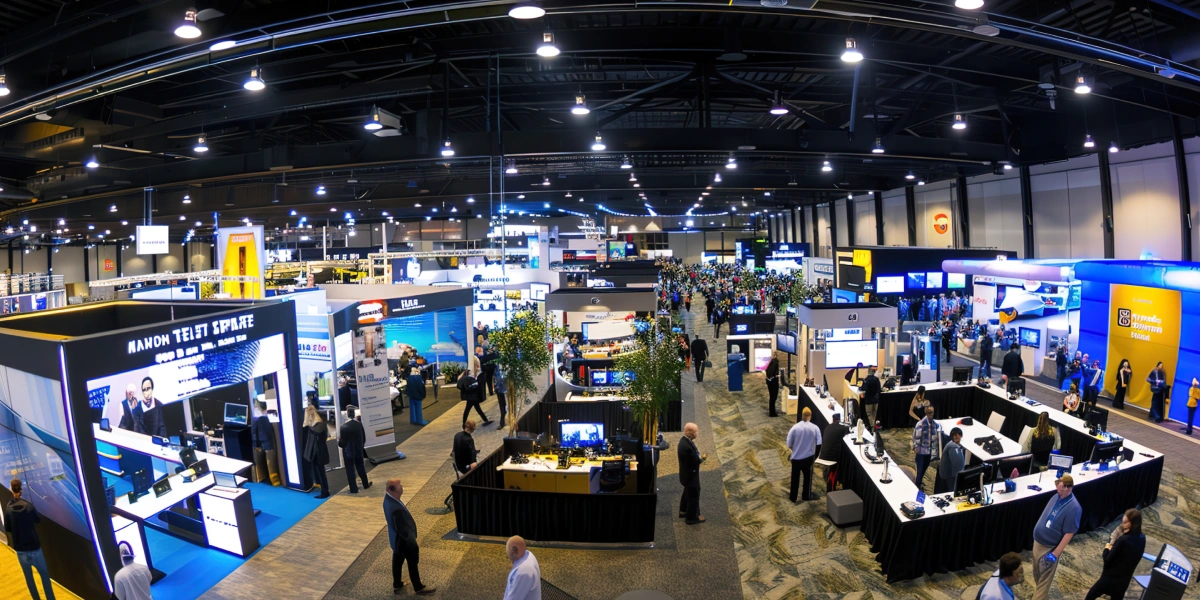
Budgeting and forecasting for annual trade shows in 2026 is more important than ever. Rising venue deposits, supplier rate hikes, and delayed sponsor payments are creating serious cash flow pressure. In cities like London and Birmingham, organisers now face a 25%–50% upfront venue cost, as well as increased AV and construction fees.
Events run the risk of going over budget or running out of money before the show starts if they don’t have a clear financial plan. Last-minute decisions and static budgets no longer work. Accurate forecasting gives early warning of shortfalls and helps manage costs as they arise. Effective cash flow planning for event organisers is now essential for keeping events on track and financially secure.
Apex Accountants support trade show organisers with detailed budgets and live forecasts. We track every stage — from deposits to post-event costs — helping clients avoid gaps, reduce risk, and protect profit. With clear numbers, better timing, and smart planning, your 2026 events can run without financial stress.
Early Budgeting Helps Protect Margins
A trade show budget must be formed long before any contracts are signed. The cost curve starts early, as venues often request large deposits up to a year before the event. Stand builders, print suppliers, and AV contractors also push for phased payments. These patterns increase early spend and narrow cash positions.
For 2026, strong cash flow planning for event organisers is essential to manage their early commitments while still preparing for later costs, such as marketing, travel, and post-event logistics.
Highly specific budgeting points for 2026 include:
- Many venues in London, Birmingham, and Manchester now request 25–30% deposits upon booking.
- Stand design and construction costs rose in 2025, pushing average build costs higher for 2026 exhibitions.
- AV and technical support prices increased due to higher equipment demand and staffing shortages.
- Accommodation costs near major venues continue to rise, especially during multi‑event weeks.
- Freight and logistics carry fuel surcharges, affecting exhibitors with heavy equipment.
Budgeting early lets organisers secure better terms, phase in supplier commitments, and assess event viability with accuracy.
Forecasting Helps Manage Cash Timing
Most trade shows face a cash timing gap. Costs concentrate months before the event, while income often builds slowly. Exhibitor fees, sponsor payments, and ticket sales usually peak close to the event date, which means the organisers must fund early activities without relying on late revenues.
A detailed forecast should map:
- Payment dates for venue deposits, stand builders, AV firms, and marketing suppliers
- Expected dates for exhibitor instalments, sponsorship payments, and ticket sales
- Seasonal timing patterns are especially relevant for organisers running multiple shows in the same year.
- Cash gaps during production stages, followed by inflows during registration surges
By carefully forecasting income from trade shows, organisers can time their expenditures with greater accuracy and reduce the risk of shortfalls. Forecasting also identifies periods that may necessitate short-term financing or payment negotiation. It helps prevent pressure during build stages, when supplier deadlines cannot slip.
How Apex Accountants Simplifies Budgeting and Forecasting for Annual Trade Shows
Apex Accountants specialises in creating precise, event-specific budgets and forecasts for UK trade show organisers. We understand the cash flow pressures that come with early venue deposits, phased supplier payments, and late exhibitor income. Our models reflect real supplier terms, payment behaviours, and seasonal event patterns, giving you financial clarity at every stage.
We work closely with clients in forecasting income from trade shows so that decisions can be based on actual timelines and realistic expectations. Our job is to help you stay in control of costs, prepare for uncertainty, and deliver financially stable events.
Plan with clarity. Forecast with confidence. Let Apex Accountants support your trade shows in 2026. Get in touch with Apex Accountants today to discuss your event plans.
Recent Posts

What Happens If You Miss the Self Assessment Deadline in 2027?
If you need to file a tax return for the 2025/26 tax year, the self-assessment deadline is 31 January 2027....

Can You Hold Crypto ETNs in an IFISA? What Stratiphy Means for UK Investors
The position is now much clearer. Retail access to certain crypto exchange-traded notes (crypto ETNs) in an IFISA was reopened...

7 Must-Have Features in Accounting Software for Car Rental Businesses
Running a car rental company in the UK involves far more than simply handing over keys to customers. From navigating...

All You Need to Know About Companies House Late Account Filing Penalties for Private, Public Companies and LLPs
Companies House late filing penalties remain a significant concern for private companies, public companies, and LLPs across the UK. Missing...

5 VAT Strategies For Car Garages To Use In 2026
Car garages face unique challenges when it comes to managing VAT efficiently, especially as the automotive sector continues to evolve....

6 Top VAT Compliance Case Studies and Key Lessons
Understanding VAT compliance can indeed be a tough challenge. Moreover, this is especially true with the varied challenges in different...

How the 182 Day Rule Wales Affects Welsh Farm Businesses
Holiday accommodation is vital to the Welsh rural economy. Yet the 2023 tax reforms introduced a steep 182‑day letting threshold...

Optimise Your Tax Position with VAT Planning Strategies for Different Schemes
Effective VAT Planning Strategies help businesses optimise their tax position, boost cash flow, and simplify VAT compliance. Below are some...
A Practical Guide to VAT for Advertising Design Companies in the UK
Understanding VAT for advertising design companies is essential for ensuring tax compliance and maximising your business’s financial efficiency. As a...

How Bookkeeping Helps Plumbers to Stay on Track
Plumbers spend their working days repairing leaks, clearing blocked drains and installing plumbing systems, leaving limited time for financial administration....