
-
CALL US 0203 883 4777
HMRC Tax Rules for Small Businesses Harden as Digital Compliance Push Accelerates
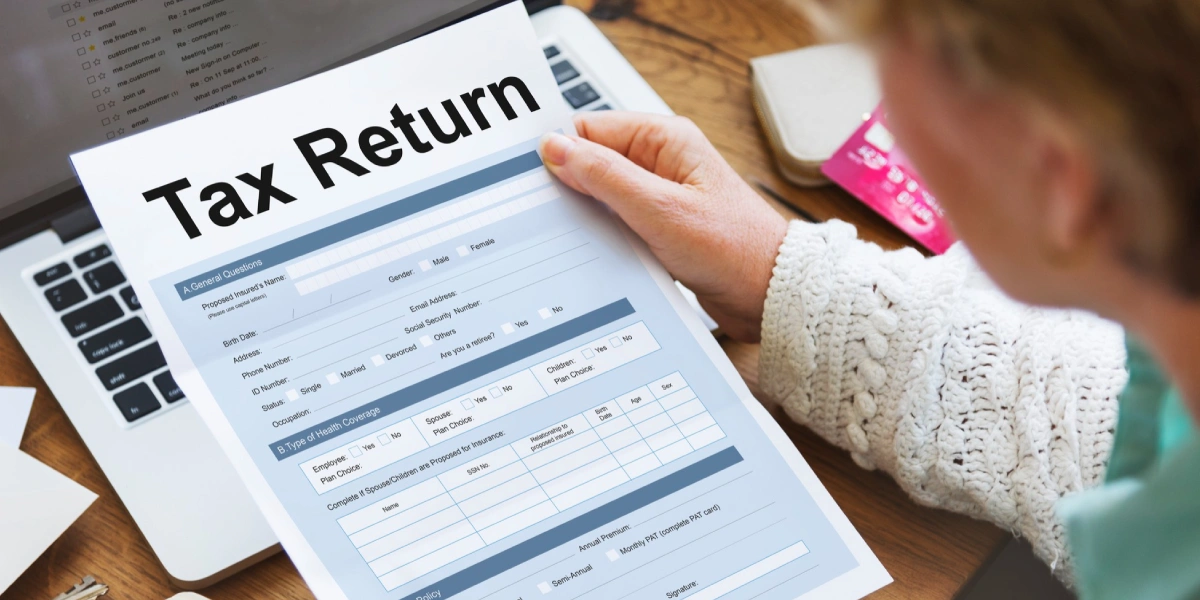
HM Revenue & Customs is preparing to tighten aspects of the UK’s tax system, with proposed changes to HMRC tax rules for small businesses forming part of a broader effort to improve compliance and reduce lost revenue. Recent policy plans indicate a stronger focus on enforcement, the expanded use of data analysis, and a greater reliance on digital reporting. Officials argue that these steps are necessary to address the persistent tax gap and modernise the administration. However, many small business owners fear the changes could translate into more frequent checks, faster payment demands and additional administrative pressure at a time when operating costs remain high.
Compliance crackdown and expanded HMRC tax rules for small businesses
HMRC is scaling up its compliance strategy as part of a wider plan to modernise the UK tax system and strengthen HMRC tax compliance rules for small businesses. The approach combines more enforcement staff, digital systems and stronger debt recovery powers.
Key elements of the plan
| Measure | What it means for businesses |
| 90% digital interactions by 2030 | Most dealings with HMRC will take place online |
| 5,500 additional compliance officers | More investigations and record checks |
| Extra debt recovery staff | Greater focus on collecting unpaid tax |
| Use of AI and data analysis | Faster detection of potential tax errors |
For small businesses, the shift signals greater scrutiny and quicker intervention where tax records raise concerns.
Technology-driven tax monitoring
HMRC is investing heavily in digital infrastructure. The department plans to combine government records with third-party financial data and artificial intelligence to identify compliance risks earlier.
In practice, this could lead to:
- Pre-populated tax returns
- Automated alerts when inconsistencies appear
- More targeted compliance checks
Credit reference agency information is already being used to improve debt collection strategies.

Direct recovery of debt powers
A particularly controversial measure is the expanded use of Direct Recovery of Debt (DRD).
This power allows HMRC to recover unpaid tax directly from a taxpayer’s bank account when the individual or company has the funds but fails to engage.
Key details include:
- A pilot scheme is currently underway
- Wider implementation is expected from April 2026
- Safeguards are intended to prevent financial hardship
However, some small business groups worry that sudden recovery action could create cash-flow pressure for firms already facing tight margins.
Digital tax reporting rules for small businesses in the UK tighten
The tax system is moving further towards digital reporting, with new digital tax reporting rules for small businesses in the UK forming a key part of the transition. HMRC sees digital recordkeeping and online submissions as ways to reduce errors, improve accuracy, and encourage timely tax payments.
The Making Tax Digital (MTD) for Income Tax programme will roll out in stages:
| Timeline | Who is affected |
| April 2026 | Sole traders and landlords with income above £50,000 |
| April 2027 | Sole traders and landlords with income above £30,000 |
Businesses within the system will need to maintain digital records and submit quarterly updates to HMRC. A short transition period will apply at the start, but penalties will follow if updates or payments are late.
Move towards electronic invoicing
Digital reform will not stop there. The government has confirmed plans to introduce mandatory electronic invoicing for VAT transactions by 2029.
E-invoicing is expected to:
- Improve accuracy in VAT reporting
- Reduce manual errors in invoicing
- Speed up payment processing between businesses
Why small businesses are worried
Trade bodies have welcomed measures to tackle tax evasion but have voiced concern about how stricter HMRC tax compliance rules for small businesses could increase the cumulative administrative burden. For many micro‑companies and sole traders, the shift from an annual tax return to quarterly digital updates under Making Tax Digital is already resource‑intensive. Adding mandatory e-invoicing, potential direct debit requirements, and the prospect of HMRC drawing funds directly from bank accounts raises concerns about administrative costs and cash flow unpredictability.
Key concerns include the following:
Cost of compliance:
Small firms may need to upgrade their accounting systems, integrate e-invoicing software, and maintain real-time records. Although some packages are free, others involve subscription fees and transaction limits.
Cash‑flow impact:
Collecting self‑assessment liabilities in‑year via PAYE could accelerate tax payments by several months. Direct debit requirements for PAYE and VAT may reduce flexibility in timing payments.
Data privacy and autonomy:
Using credit reference agency data to segment taxpayers and resuming direct recovery of debt gives HMRC more insight into business finances. While safeguards exist, some fear overreach.
Penalty exposure:
With penalty points for late quarterly updates and harsher penalties for late payment, small businesses must manage deadlines meticulously.
Larger firms generally have resources to absorb these changes, but microbusinesses often rely on basic spreadsheets and may lack dedicated finance staff. The transition to continuous digital reporting risks diverting time away from core trading activity.
Practical steps for business owners
While the reforms are wide‑ranging, they are being phased in. Small businesses can mitigate disruption by preparing early:
- Assess the impact on cash flow by modelling earlier tax payments and potential direct debit requirements. Retain sufficient reserves or adjust budgets to avoid shocks.
- Invest in digital record‑keeping. Software that integrates bookkeeping, invoicing and HMRC submissions will reduce duplication. Evaluate platforms now to allow time for training and migration.
- Implement e‑invoicing processes ahead of 2029. E‑invoicing can improve cash collection and reduce disputes even before it becomes mandatory.
- Keep records up to date to avoid penalty points. Set internal reminders for quarterly updates and final returns.
- Monitor consultations. Participate in HMRC consultations on timelier payment and e‑invoicing to ensure small business realities are heard.
How Apex Accountants & Tax Advisors can help
Apex Accountants & Tax Advisors supports clients through regulatory change. Our chartered accountants and tax specialists help businesses understand whether they fall under forthcoming digital regimes, plan for in-year tax payments, and integrate compliant software. We can:
- Evaluate eligibility and timing: Assess whether your turnover or industry-specific rules bring you into the new compliance frameworks and advise on deferrals or exemptions.
- Implement digital systems: Assist with selecting and integrating bookkeeping and e‑invoicing software compatible with HMRC requirements and train staff on real‑time record‑keeping.
- Manage submissions: Prepare quarterly updates, VAT returns and final adjustments, ensuring that reliefs and allowances are claimed correctly.
- Plan for cash flow: Model the impact of in-year tax payments and advice on reserves and funding to smooth out fluctuations.
- Represent you in compliance checks: Provide expert representation in the event of HMRC enquiries or debt recovery actions.
For guidance tailored to your business, contact Apex Accountants to arrange a consultation.
Frequently asked questions
What are the main elements of HMRC’s plan to tighten tax rules?
HMRC is recruiting thousands of compliance officers and using AI and third‑party data to identify risks. It is resuming direct recovery of debts, consulting on in‑year collection of self‑assessment liabilities via PAYE and mandating e‑invoicing for all VAT invoices from 2029.
When will mandatory e‑invoicing take effect?
The government has confirmed that all VAT‑registered businesses will have to issue VAT invoices electronically from 2029. Standards and infrastructure will be developed in consultation with software providers and industry bodies.
What is the direct recovery of debt power and who does it affect?
Direct recovery of debt allows HMRC to take unpaid taxes directly from the bank accounts of individuals and companies who can pay but refuse to engage. It is currently in a test phase and will roll out more widely from April 2026. Safeguards exist to prevent financial hardship.
Will tax be collected more frequently?
A consultation in early 2026 will consider requiring income tax self‑assessment taxpayers with PAYE income to pay more of their liability in‑year via the PAYE system. HMRC also plans to mandate direct debit for PAYE and VAT, which could accelerate tax payments.
How can small businesses prepare for these changes?
They should invest in digital bookkeeping and invoicing systems, monitor cash flow and deadlines, and participate in consultations. Professional advice can help ensure compliance and optimise tax planning.
Final word
HMRC’s tightening of tax rules is part of a long‑term shift toward real‑time reporting and data‑driven compliance. For small businesses this presents both risks and opportunities. Early adoption of digital tools and proactive cash‑flow management can turn a regulatory challenge into a chance to improve financial control. However, the burden will be significant, and sustained dialogue with HMRC is needed to ensure that compliance reform does not impede the entrepreneurial dynamism that drives the UK economy.
Recent Posts

What Happens If You Miss the Self Assessment Deadline in 2027?
If you need to file a tax return for the 2025/26 tax year, the self-assessment deadline is 31 January 2027....

Can You Hold Crypto ETNs in an IFISA? What Stratiphy Means for UK Investors
The position is now much clearer. Retail access to certain crypto exchange-traded notes (crypto ETNs) in an IFISA was reopened...

7 Must-Have Features in Accounting Software for Car Rental Businesses
Running a car rental company in the UK involves far more than simply handing over keys to customers. From navigating...

All You Need to Know About Companies House Late Account Filing Penalties for Private, Public Companies and LLPs
Companies House late filing penalties remain a significant concern for private companies, public companies, and LLPs across the UK. Missing...

5 VAT Strategies For Car Garages To Use In 2026
Car garages face unique challenges when it comes to managing VAT efficiently, especially as the automotive sector continues to evolve....

6 Top VAT Compliance Case Studies and Key Lessons
Understanding VAT compliance can indeed be a tough challenge. Moreover, this is especially true with the varied challenges in different...

How the 182 Day Rule Wales Affects Welsh Farm Businesses
Holiday accommodation is vital to the Welsh rural economy. Yet the 2023 tax reforms introduced a steep 182‑day letting threshold...

Optimise Your Tax Position with VAT Planning Strategies for Different Schemes
Effective VAT Planning Strategies help businesses optimise their tax position, boost cash flow, and simplify VAT compliance. Below are some...
A Practical Guide to VAT for Advertising Design Companies in the UK
Understanding VAT for advertising design companies is essential for ensuring tax compliance and maximising your business’s financial efficiency. As a...

How Bookkeeping Helps Plumbers to Stay on Track
Plumbers spend their working days repairing leaks, clearing blocked drains and installing plumbing systems, leaving limited time for financial administration....