
-
CALL US 0203 883 4777
When not to charge VAT
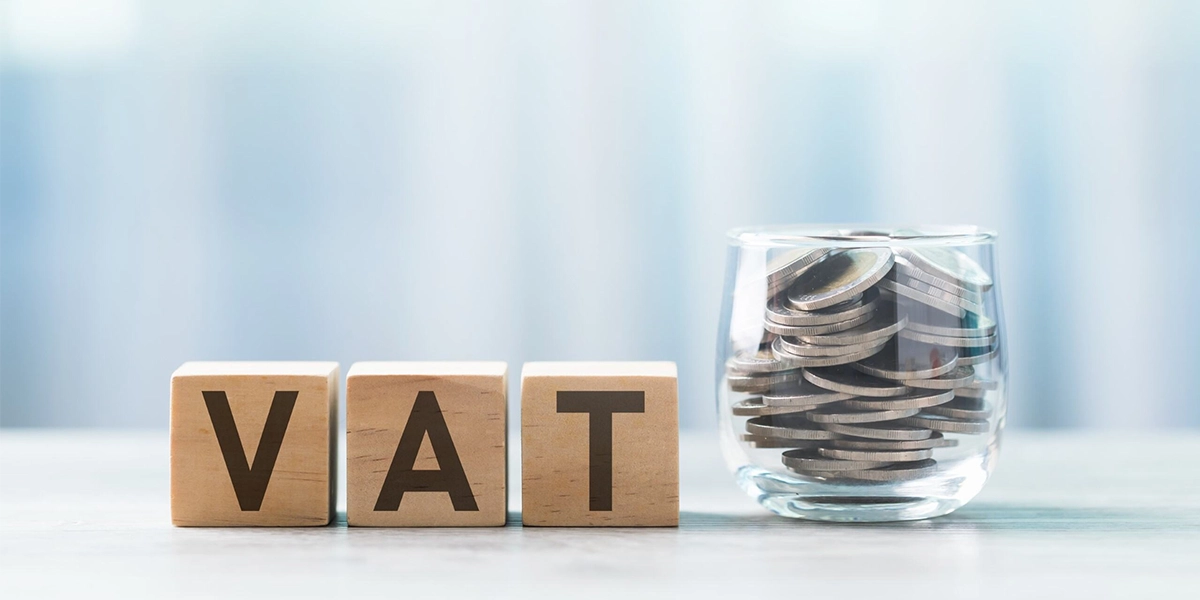
When a VAT registered business issues an invoice to their customer, they must ensure that they charge the correct rate of VAT. Whilst most businesses in the UK charge VAT at the standard rate of 20% there are a number of different VAT rates and exemptions to be aware of; this includes the reduced VAT rate of 5% and the positive zero rate (0%).
There are two other categories that the supplies of goods and services can fall under:
- Exempt – where no VAT is charged on the supply. Examples of exempt items include the provision of insurance, postage stamps and health services provided by doctors. If a business only sells VAT-exempt goods and services, they cannot register for VAT.
- Supplies that are 'outside the scope' of the UK VAT system altogether. These supplies are beyond the realm of the UK VAT system and you cannot charge or reclaim VAT on these supplies. Examples include goods or services you buy and use outside the EU, statutory fees – like the London congestion charge and goods you sell as part of a hobby.
If a business has made an error in charging VAT, then this needs to be corrected. The timing of finding an error can impact on how the issue is resolved.
There are also penalties if you charge VAT to your customers before you are officially registered. VAT registration is only required for eligible businesses earning more than £85,000 per year although businesses under the threshold can voluntarily apply for a VAT registration.
Recent Posts

Accountant for Community Pharmacy UK: VAT and Tax Guide
A pharmacy can look profitable on paper while still facing tight cash flow. NHS income, retail sales, dispensing margins, staff...

HMRC’s First Cryptoasset Statistics Show Why Records Matter
Capital Gains Tax is becoming increasingly important for UK crypto investors as HMRC gains access to more detailed information about...

Making Tax Digital for Income Tax 2026: What to Do Now
A sole trader may have completed the first MTD quarterly update without realising that the next deadline is already approaching....
MTD for Income Tax: What Sole Traders and Landlords Should Do After the First Deadline
A client came to Apex Accountants last week, a sole trader with two income streams, unsure whether she had met...

HMRC’s 436,000 MTD Milestone: What Sole Traders and Landlords Should Do Before September
We are increasingly asked the same question by clients who have heard about Making Tax Digital but are not sure...
HMRC Late Payment Interest Rate: What 7.75% Costs You
Miss a tax deadline today and HMRC charges 7.75% a year on the outstanding balance. The Bank of England’s base...
Electricity VAT Cut 2026: What the Six-Month Zero Rate Means from 1 October
The government’s announcement, made in July by new Prime Minister Andy Burnham as one of his first acts in office,...
What Happens to Your Personal Allowance Above £100,000 Income?
For UK taxpayers asking “What happens to my Personal Allowance if I earn over £100,000?”, the answer depends on HMRC’s...

Tax Codes: What Should You Put for Personal Allowances?
For UK employees, pensioners and employers asking, “What should I put for personal allowances?”, the answer depends on the person’s...
Complete Guide on First Making Tax Digital Quarterly Update Deadline 2026
We are increasingly hearing from sole traders and landlords who know that Making Tax Digital started in April but remain...