
-
CALL US 0203 883 4777
Recovering VAT on car purchases

There are complex VAT rules that determine how you can recover VAT on car purchases. The usual fallback rule is that if you purchase a car for your business then no VAT can be reclaimed.
The main exception to this rule is if the new car is used solely for business use. To qualify for VAT recovery the car must not be available for any private use and you must be able to demonstrate this. This means that the car should only be available to staff during working hours and should never be used for personal journeys.
It is also possible to claim back the VAT on a new car that is purchased for a business-related activity such as for use as a taxi, self-drive hire car or a car for driving instruction.
If your business leases a car for business purposes, then you can normally reclaim 50% of the VAT paid. Also, 100% of the VAT can be reclaimed if the car is used exclusively for a qualifying business purpose, such as a taxi or a car for driving instruction.
The rules are generally more straight forward for the purchase of commercial vehicles such as a van, lorry or tractor that are used only for business. Input paid on these purchases would normally be fully recoverable.
The VAT incurred on the purchase of motorcycles, motorhomes and motor caravans, vans with rear seats (combi vans) and car-derived vans can also be recovered if the vehicles are used solely for business use.
Recent Posts

Taking Money Out of a Limited Company: Salary, Dividends and Director’s Loans Explained (2026/27)
Director reviewing salary and dividend figures for taking money out of a limited company on a laptop and desk documents
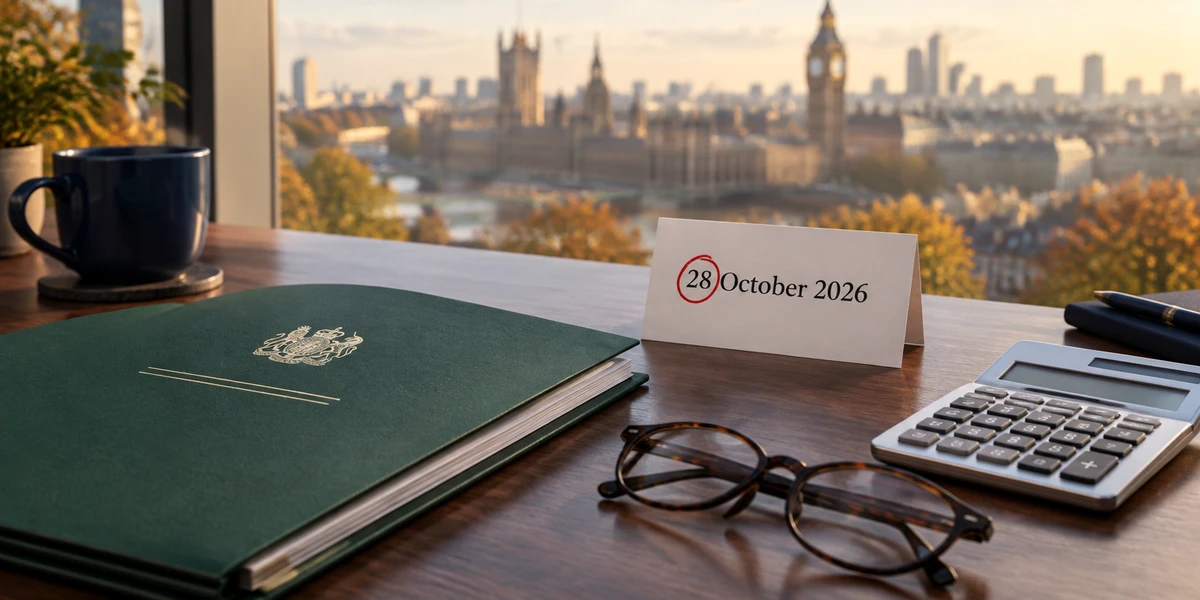
Autumn Budget 2026 Date Confirmed for 28 October
The Chancellor, John Healey, will deliver the Autumn Budget 2026 on Wednesday, 28 October, HM Treasury has confirmed. The confirmed...

Director Tax Return 2025/26: New Self Assessment Rules for Close Company Directors
If you run an owner-managed or family company, your director tax return 2025/26 asks for more information than ever before....

What Happens to Your Personal Allowance over £100,000 Income?
For UK taxpayers asking “What happens to my Personal Allowance if I earn over £100,000?”, the answer depends on HMRC’s...
Can You Reclaim VAT on Transaction Fees in the UK
Most businesses ask this as a yes-or-no question, but UK VAT does not work that neatly. Whether a business can...

Business Rates Relief 2026: Could the Threshold Increase?
The current relief thresholds have not changed. Business rates relief 2026 has not adopted a £17,096 exemption threshold. A newspaper...

What the HMRC Distributions Consultation 2026 Means for Company Owners
Company directors considering a share buyback, capital reduction or restructuring now have another factor to consider. HMRC’s consultation, “Modernising the...

Is the UK Tax System Too Complex for Small Businesses in 2026?
For many small businesses, keeping up with tax now means managing several filing cycles, digital reporting requirements and separate payment...
Comprehensive Guide to LLP Benefits and Disadvantages
A business with two or more owners may want the flexibility of a partnership without exposing every member to the...
How to Avoid Common Errors in VAT for Auto Repair Shops
Auto repair shops in the UK often handle parts sales and labour charges for the same job. While this is...