
-
CALL US 0203 883 4777
Explore SME Funding Benefits for SMEs and Economic Growth

SME funding significantly impacts the UK economy by fostering innovation, creating jobs, and enabling SMEs to access vital growth capital. Here’s a detailed look at the current economic and industry impacts of EIS funding benefits.
Economic and Industry Impacts
Job Creation:
Overview: EIS funding benefits have played a crucial role in job creation across various sectors. By enabling SMEs to secure funding, EIS supports businesses that drive employment growth.
Statistics: According to recent data, EIS-supported companies have created thousands of jobs, contributing significantly to the UK’s employment landscape.
Funds Raised:
Overview: EIS funding benefits have facilitated the raising of substantial capital for SMEs. This funding is essential for business expansion, research and development, and scaling operations.
Statistics: Over £20 billion has been raised through EIS since its inception, highlighting its importance in the SME funding ecosystem.
Example: For instance, a technology startup raised £1 million through EIS, which allowed it to double its workforce and develop new products. Consequently, this funding boosted its market position and economic contribution.
Supporting Innovation:
Overview: EIS funding benefits encourage investment in high-risk, high-reward sectors such as technology, green energy, and creative industries. This support not only fosters innovation but also drives technological advancement.
Example: Consider a green energy firm that used EIS funds to develop cutting-edge renewable energy solutions. As a result, this contribution advanced the UK’s sustainability goals.
Regional Development:
Overview: EIS funding benefits often target underdeveloped regions, thus promoting balanced regional economic development.
Impact: By directing funds to diverse geographical areas, EIS helps reduce economic disparities and fosters inclusive growth across the UK.
Economic Resilience:
Overview: EIS funding benefits aid in building economic resilience by supporting companies that adapt to market changes and drive economic recovery, particularly during downturns.
Example: During the COVID-19 pandemic, several EIS-backed companies pivoted their business models to meet new market demands. Consequently, they sustained operations and preserved jobs.
Enhanced Competitiveness:
Overview: By providing the necessary capital for SMEs to innovate and scale, EIS funding benefits enhance the competitiveness of UK businesses on a global scale.
Example: A tech company that leveraged EIS funding to improve its product offerings and expand internationally now competes effectively in global markets.
Entrepreneurial Growth:
Overview: EIS funding benefits encourage entrepreneurship by lowering the financial barriers to starting and growing a business.
Example: An entrepreneur used EIS funding to launch a new app, which quickly gained traction and secured additional rounds of investment to accelerate growth.
Worked Example:
Scenario: CleanTech Ltd aims to raise £800,000 through EIS. Apex Accountants guide them through securing advance assurance, ensuring continuous compliance, and submitting the required documents.
Outcome: Investors in CleanTech Ltd successfully claim their SME growth capital, supported by Apex’s expert services.
Conclusion
Ready to leverage SME funding for your business growth? Contact Apex Accountants today for expert guidance from our experienced EIS Experts UK. We’ll assist you in securing advance assurance, maintaining compliance, and maximising your SME growth capital. Reach out now to start your EIS funding benefits journey and invest with confidence!
By understanding and leveraging the significant economic impacts of UK economic growth, companies and investors can drive innovation, create jobs, and contribute to the UK’s economic growth. Therefore, for tailored advice and comprehensive support, consult with our EIS Experts UK to navigate your EIS opportunities effectively.
Recent Posts

Accountant for Community Pharmacy UK: VAT and Tax Guide
A pharmacy can look profitable on paper while still facing tight cash flow. NHS income, retail sales, dispensing margins, staff...

HMRC’s First Cryptoasset Statistics Show Why Records Matter
Capital Gains Tax is becoming increasingly important for UK crypto investors as HMRC gains access to more detailed information about...
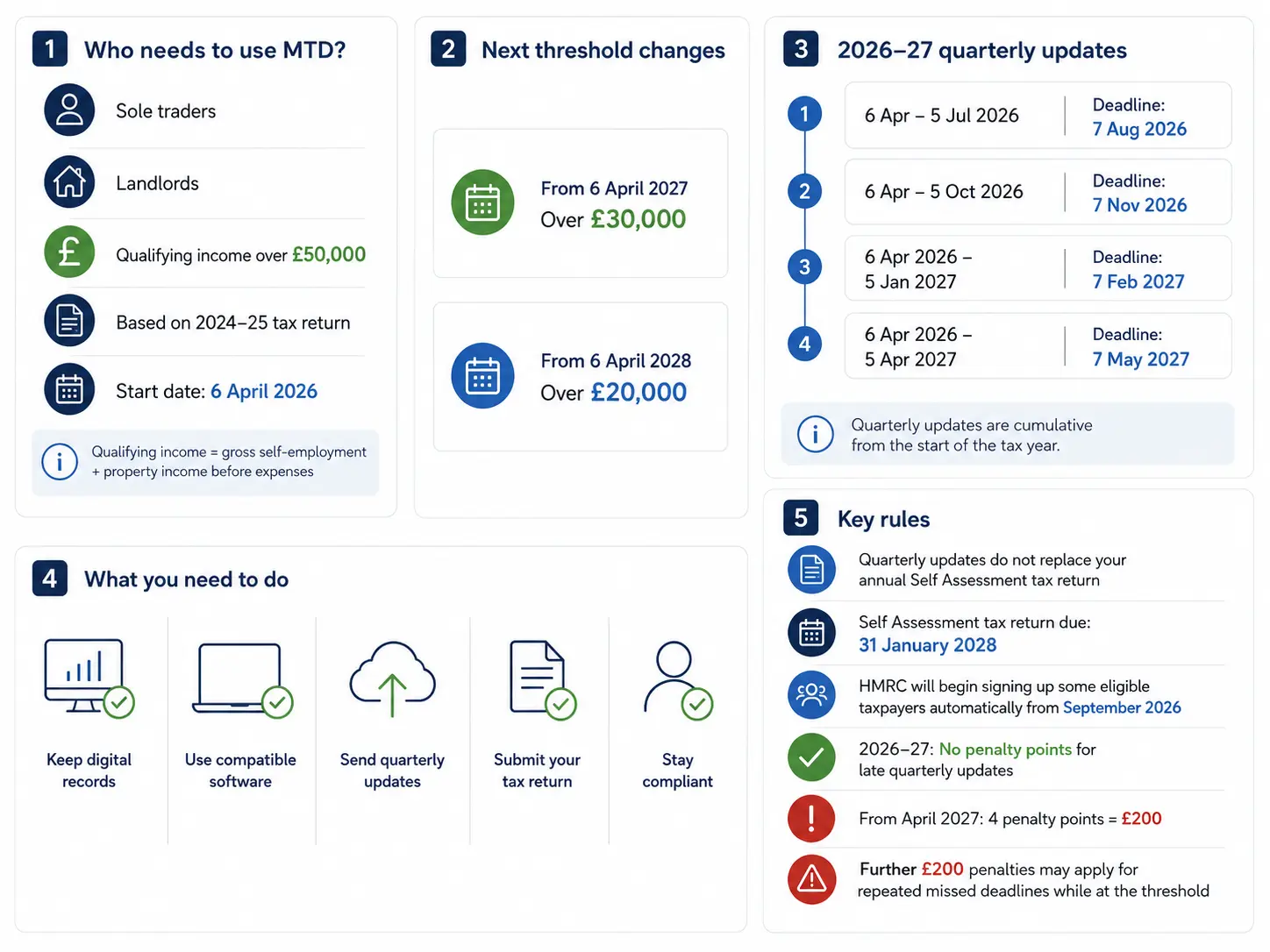
Making Tax Digital for Income Tax 2026: What to Do Now
A sole trader may have completed the first MTD quarterly update without realising that the next deadline is already approaching....

MTD for Income Tax: What Sole Traders and Landlords Should Do After the First Deadline
A client came to Apex Accountants last week, a sole trader with two income streams, unsure whether she had met...

HMRC’s 436,000 MTD Milestone: What Sole Traders and Landlords Should Do Before September
We are increasingly asked the same question by clients who have heard about Making Tax Digital but are not sure...

HMRC Late Payment Interest Rate: What 7.75% Costs You
Miss a tax deadline today and HMRC charges 7.75% a year on the outstanding balance. The Bank of England’s base...

Electricity VAT Cut 2026: What the Six-Month Zero Rate Means from 1 October
The government’s announcement, made in July by new Prime Minister Andy Burnham as one of his first acts in office,...

What Happens to Your Personal Allowance Above £100,000 Income?
For UK taxpayers asking “What happens to my Personal Allowance if I earn over £100,000?”, the answer depends on HMRC’s...

Tax Codes: What Should You Put for Personal Allowances?
For UK employees, pensioners and employers asking, “What should I put for personal allowances?”, the answer depends on the person’s...

Complete Guide on First Making Tax Digital Quarterly Update Deadline 2026
We are increasingly hearing from sole traders and landlords who know that Making Tax Digital started in April but remain...