
-
CALL US 0203 883 4777
Structures and Buildings Allowance qualifying expenditure
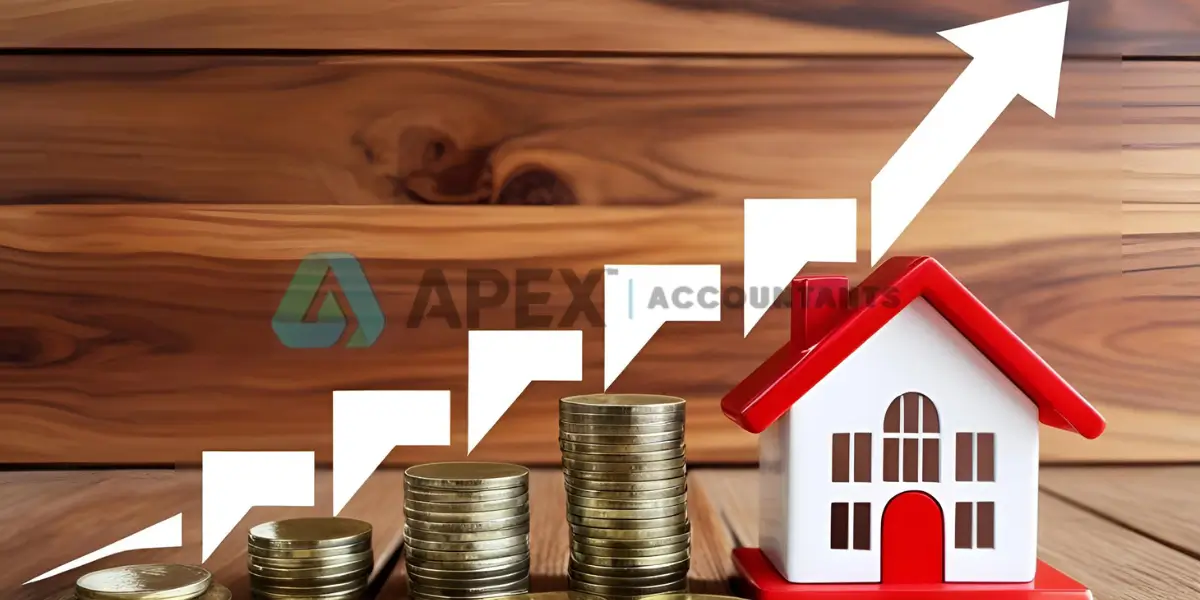
The Structures and Buildings Allowances (SBA) facilitates tax relief for qualifying capital expenditure on new non-residential structures and buildings. The relief applies to the qualifying costs of building and renovating commercial structures.
The relief was introduced in October 2018 at an annual capital allowance rate of 2% on a straight-line basis. From 1 April 2020, the annual rate was increased to 3% and the corresponding period reduced to 33 and one third years.
HMRC’s internal manuals consider the meaning of qualifying capital expenditure for this tax relief. The manuals state that:
The amount of qualifying capital expenditure will depend upon whether the person who first uses the building constructed it themselves, or they acquired it unused from a developer. That amount is determined either directly from expenditure incurred on the construction of a building, or by comparing those costs with the sum paid for the relevant interest in the building.
From the total ‘qualifying expenditure’, any amounts that qualify for other capital allowances or are specifically disallowed must be removed. The qualifying expenditure does not change, even when the ownership of the building changes, there are exceptions relating to VAT liabilities and rebates.
Recent Posts
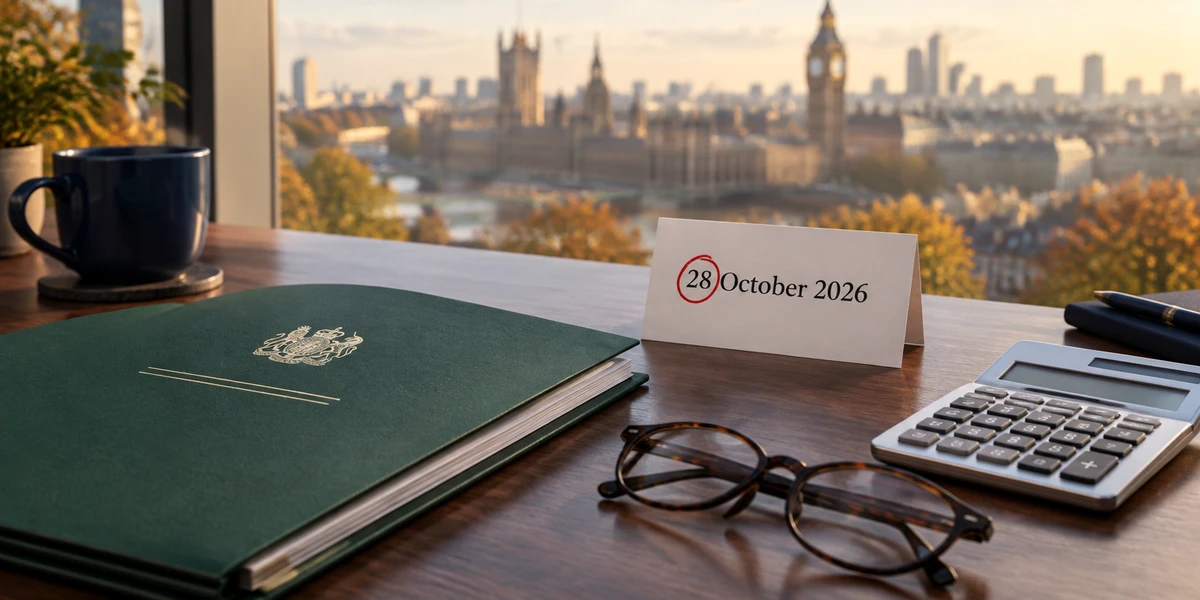
Autumn Budget 2026 Date Confirmed for 28 October
The Chancellor, John Healey, will deliver the Autumn Budget 2026 on Wednesday, 28 October, HM Treasury has confirmed. The confirmed...

Director Tax Return 2025/26: New Self Assessment Rules for Close Company Directors
If you run an owner-managed or family company, your director tax return 2025/26 asks for more information than ever before....

What Happens to Your Personal Allowance over £100,000 Income?
For UK taxpayers asking “What happens to my Personal Allowance if I earn over £100,000?”, the answer depends on HMRC’s...

Can You Reclaim VAT on Transaction Fees in the UK
Most businesses ask this as a yes-or-no question, but UK VAT does not work that neatly. Whether a business can...

Business Rates Relief 2026: Could the Threshold Increase?
The current relief thresholds have not changed. Business rates relief 2026 has not adopted a £17,096 exemption threshold. A newspaper...

Taking Money Out of Your Company: 2026 Rule Changes Explained
On 14 September 2026, HMRC closed its consultation on modernising the taxation of distributions and repayments of capital from companies....

Is the UK Tax System Too Complex for Small Businesses in 2026?
For many small businesses, keeping up with tax now means managing several filing cycles, digital reporting requirements and separate payment...

Comprehensive Guide to LLP Benefits and Disadvantages
A business with two or more owners may want the flexibility of a partnership without exposing every member to the...
How to Avoid Common Errors in VAT for Auto Repair Shops
Auto repair shops in the UK often handle parts sales and labour charges for the same job. While this is...
How the UK Exit Tax Proposal Could Introduce a 20% Charge for Individuals and Businesses
The proposed UK exit tax is a one-off charge, reported at around 20%, on unrealised gains in UK business and...