
-
CALL US 0203 883 4777
Stamping documents goes digital

HMRC has confirmed that the 300-year-old process used to manually stamp documents to show the duty has been paid will officially come to an end on 19 July 2021.
A new electronic process was introduced during the pandemic as traditional physical stamping could not function under COVID-19 restrictions. As this process has worked well, HMRC has decided to retain the new approach.
This change leaves the stamp presses themselves in need of new homes. Three of the presses will be retained by HMRC and installed in the newly created regional centres as a nod to the department’s history. HMRC has launched an appeal to search for suitable institutions which might be keen to take on one of the five remaining decommissioned presses, weighing some 685 kilograms and preserving them for future generations.
The first ‘stamp duty’ was introduced in 1694 as a temporary measure to fund the war on France. It was paid on all paper, vellum or parchment to be used for legal documents, and payment was indicated by an embossed, colourless stamp, hence the name.
Recent Posts
R&D Tax Relief 2026: New HMRC Rules and How to Claim Successfully
We’re seeing more companies come to us after having their R&D tax relief claims questioned, returned, or rejected by HMRC....

HMRC Auto-Registration for MTD: What Happens If You Don’t Sign Up First
Sole traders and landlords are increasingly asking what happens if they do not respond to Making Tax Digital sign-up letters....
A Complete Guide to UK Airbnb Tax: Rules, Reliefs and Rates for 2026/27
A host can receive regular Airbnb bookings and still be unsure whether HMRC sees the income as a small side...
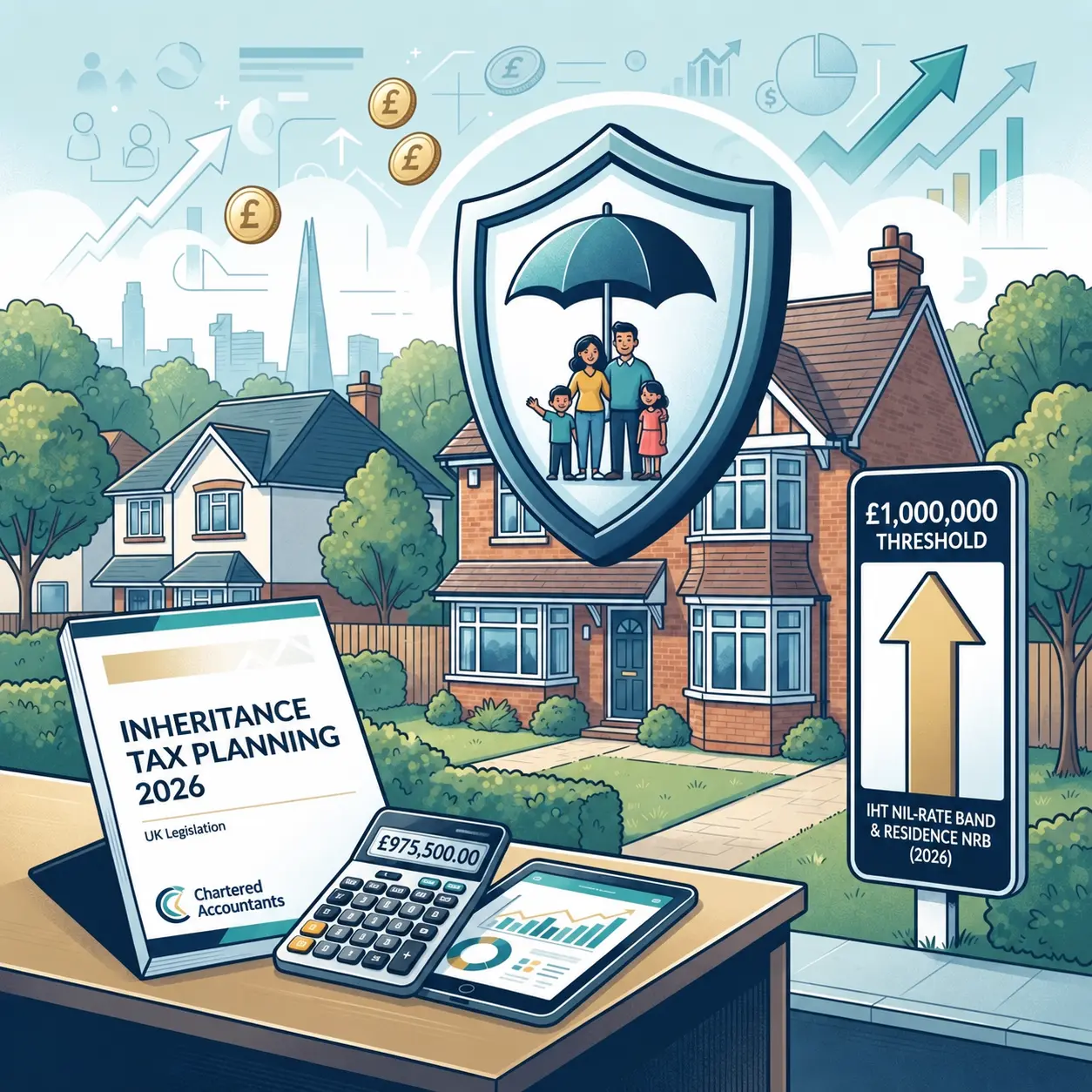
Inheritance Tax Planning: A Practical UK Guide for 2026
A couple in their late sixties own a home worth £750,000 and have £700,000 in savings and investments. Their combined...

Accountant for Community Pharmacy UK: VAT and Tax Guide
A pharmacy can look profitable on paper while still facing tight cash flow. NHS income, retail sales, dispensing margins, staff...

HMRC’s First Cryptoasset Statistics Show Why Records Matter
Capital Gains Tax is becoming increasingly important for UK crypto investors as HMRC gains access to more detailed information about...

Making Tax Digital for Income Tax 2026: What to Do Now
A sole trader may have completed the first MTD quarterly update without realising that the next deadline is already approaching....

MTD for Income Tax: What Sole Traders and Landlords Should Do After the First Deadline
A client came to Apex Accountants last week, a sole trader with two income streams, unsure whether she had met...

HMRC’s 436,000 MTD Milestone: What Sole Traders and Landlords Should Do Before September
We are increasingly asked the same question by clients who have heard about Making Tax Digital but are not sure...
HMRC Late Payment Interest Rate: What 7.75% Costs You
Miss a tax deadline today and HMRC charges 7.75% a year on the outstanding balance. The Bank of England’s base...