
-
CALL US 0203 883 4777
Vehicles Parked On Pavements
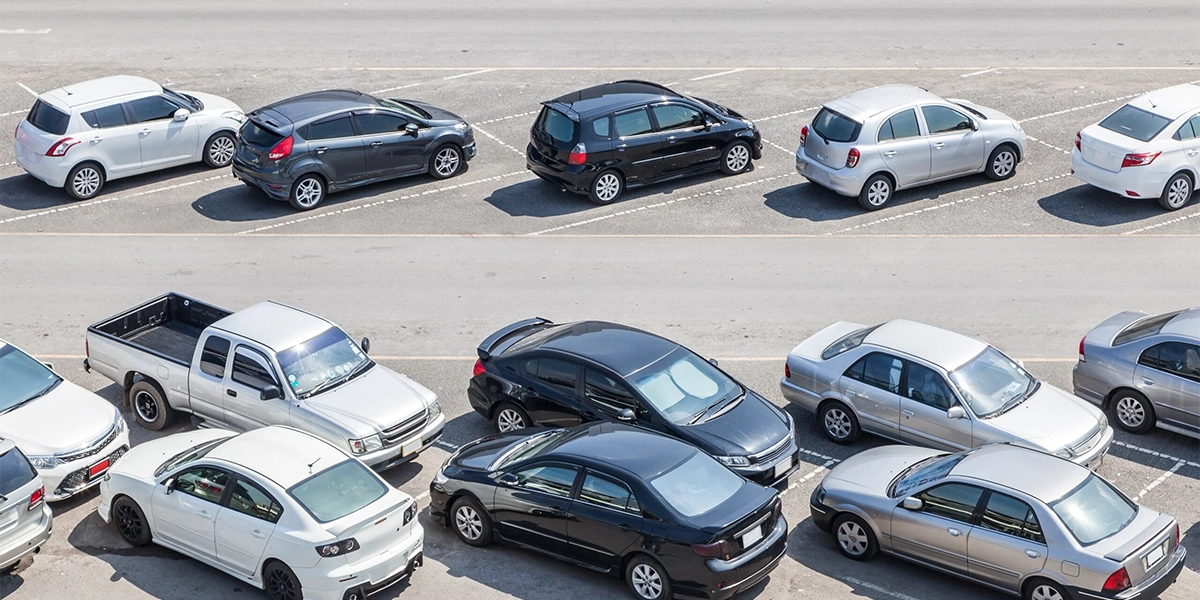
An ongoing issue for motorists is the need to have two tyres on the pavements to avoid unduly restricting road space for wider vehicles and emergency services in narrow streets.
Unfortunately, this can have knock on effects for parents with buggies or disabled vehicles that need to use these pavement areas.
To address these issues the Government has launched a consultation. In their recent press release on this issue the Department for Transport said:
Pavements could be made safer for people with disabilities, and families, under new proposals to ban antisocial parking unveiled by the government today (31 August 2020).
Parking on pavements disproportionately affects people with visual or mobility impairments, those assisted by guide dogs, and wheelchair and mobility scooter users. More than 95% of wheelchair users and people with visual impairments say they had problems with vehicles parked on pavements.
Three options are proposed in the consultation launched today – improving the traffic regulation order process to make it easier for councils to prohibit pavement parking in their areas, giving councils powers to fine drivers who park on paths, and a London-style nationwide ban on pavement parking.
However, there is still a major role for cars and other private vehicles, so any future plans will need to take this into consideration.
Pavements is a hard surface that’s covered in concrete or asphalt, like a road or a driveway. … In the US, pavement most often refers to a road or street, but it can also mean any paved surface, like a sidewalk or paved area in a park. The word has a Latin root, pavimentum, “level surface that’s been beaten firm.”
Recent Posts

Can You Hold Crypto ETNs in an IFISA? What Stratiphy Means for UK Investors
The position is now much clearer. Retail access to certain crypto exchange-traded notes (crypto ETNs) in an IFISA was reopened...

7 Must-Have Features in Accounting Software for Car Rental Businesses
Running a car rental company in the UK involves far more than simply handing over keys to customers. From navigating...

All You Need to Know About Companies House Late Account Filing Penalties for Private, Public Companies and LLPs
Companies House late filing penalties remain a significant concern for private companies, public companies, and LLPs across the UK. Missing...

5 VAT Strategies For Car Garages To Use In 2026
Car garages face unique challenges when it comes to managing VAT efficiently, especially as the automotive sector continues to evolve....

6 Top VAT Compliance Case Studies and Key Lessons
Understanding VAT compliance can indeed be a tough challenge. Moreover, this is especially true with the varied challenges in different...

How the 182 Day Rule Wales Affects Welsh Farm Businesses
Holiday accommodation is vital to the Welsh rural economy. Yet the 2023 tax reforms introduced a steep 182‑day letting threshold...

Optimise Your Tax Position with VAT Planning Strategies for Different Schemes
Effective VAT Planning Strategies help businesses optimise their tax position, boost cash flow, and simplify VAT compliance. Below are some...
A Practical Guide to VAT for Advertising Design Companies in the UK
Understanding VAT for advertising design companies is essential for ensuring tax compliance and maximising your business’s financial efficiency. As a...

How Bookkeeping Helps Plumbers to Stay on Track
Plumbers spend their working days repairing leaks, clearing blocked drains and installing plumbing systems, leaving limited time for financial administration....
Zero-Rated VAT for Books in the UK: Tribunal Backs Publisher in Ghost-Written Book Dispute
A UK tax tribunal decision in Story Terrace Limited v HMRC [2025] UKFTT 01554 (TC), issued on 11 December 2025,...