
-
CALL US 0203 883 4777
HMRC Selects Cloud SAP to Modernise its Core Tax Platform
HMRC selects cloud SAP to rebuild the technology that underpins the UK’s tax administration. The existing Enterprise Tax Management Platform (ETMP) runs on SAP ECC 6.0, software released in 2006. This aging platform supports more than 45 tax regimes and handles over £800 billion in tax revenue each year. With mainstream support for ECC ending in 2027 and extended support finishing in 2030, HMRC launched a regeneration programme to modernise the system
Migrating HMRC to a Cloud Platform—Why Now?
Tens of thousands of staff access HMRC’s ETMP daily to administer taxes, including income tax and VAT. The department’s accounting officer, Sir Jim Harra, explained that the programme has two non-negotiable requirements: the replacement must be software-as-a-service (SaaS) and hosted in the UK. After taking technical and legal advice, HMRC concluded that migrating to SAP S/4HANA—the successor to ECC—was the only option that met those requirements. In a direct award with negotiation, SAP was chosen by HMRC.
What the HMRC SAP Contract Covers
According to the UK contracts portal, HMRC signed the Enterprise Tax Management Platform (ETMP) Regeneration Software contract on 19 December 2025. SAP UK Ltd has been awarded the agreement, valued at £275,366,367 over a ten-year term ending 31 December 2035, through a “Direct Award with Negotiation” procedure. The new platform will migrate HMRC’s ETMP from ECC 6.0 to S/4HANA and deliver the service as part of RISE with SAP, a subscription offering that bundles cloud hosting, software, and managed services.
Key elements of the deal
- Cloud migration: HMRC will move ETMP to the UK sovereign cloud offered by SAP, ensuring data remains within UK jurisdiction.
- SAP S/4HANA Cloud: The department will adopt SAP’s flagship ERP suite, built on the in‑memory HANA database, which should offer real‑time analytics and faster reporting.
- Business Technology Platform & AI: SAP’s Business Technology Platform and AI capabilities are included to support automation, machine learning and new digital services.
- Direct award due to sovereignty requirements: The procurement notice states that only SAP could meet HMRC’s twin requirements of SaaS delivery and UK hosting. After engaging with potential suppliers, Sir Jim Harra noted that HMRC identified SAP as the only organisation able to comply.
Timelines and Related Procurements For Migrating HMRC to a Cloud Platform
HMRC plans to complete the migration by 2029. Two separate procurements complement the software contract:
- A systems integrator (SI) contract to plan and deliver the migration from ECC 6.0 to S/4HANA.
- Additional tenders for a customer relationship management (CRM) system (estimated value up to £1 billion) and a contact‑centre‑as‑a‑service solution (estimated value around £500 million). These systems will interoperate with the new ETMP but are separate procurements.
Expected Benefits of HMRC Selecting Cloud SAP
HMRC’s accounting officer assessment outlines several benefits of moving to S/4HANA:
- Improved performance and analytics – early testing suggests that users can complete tasks faster and generate reports in real time.
- Modern user interface – the new interface is expected to improve staff productivity and compliance by offering a cleaner, more accessible design.
- Low/no‑code application development—HMRC will be able to develop custom apps more quickly, potentially cutting development time by half.
- Native cloud hosting and cost savings—subscription pricing aligned to usage and reduced infrastructure costs—could save around £7 million per year once ECC 6.0 is decommissioned.
- Resilience and security—hosting on a UK sovereign cloud and using a supported product reduces the risk of system outages that could disrupt tax collection.
- AI and automation—SAP and HMRC plan to develop new artificial intelligence capabilities to improve taxpayer experiences and automate processes.
What are the implications for businesses and taxpayers?
For most taxpayers, the change will be invisible at first. Over time, HMRC intends to use the new platform to deliver faster processing, improved digital services, and more consistent communications. Businesses should ensure their accounting systems are aligned with Making Tax Digital (MTD) and can integrate with HMRC’s evolving digital services. Keeping digital records and ensuring timely submissions will become even more important as HMRC leverages real-time analytics.
As accounting professionals, we expect HMRC’s transformation to lead to:
- More automation of compliance checks, which may increase the importance of accurate record‑keeping.
- Faster refunds and payment processing are real‑time data reduces manual interventions.
- Greater scrutiny is driven by AI‑powered analytics, meaning errors or non‑compliance may be detected sooner.
- Opportunities for businesses to adopt cloud-based solutions, aligning their finance processes with HMRC’s new digital infrastructure.
How We Can Help
Apex Accountants help clients navigate the changing tax landscape. Our services include:
- Digital accounting solutions: We implement cloud‑based bookkeeping and accounting systems that integrate with HMRC’s digital services and support MTD.
- Tax planning and compliance: Whether you’re a sole trader or a large corporation, we provide tailored advice to ensure timely and accurate submissions.
- Training on Making Tax Digital: Our workshops and one-to-one sessions help businesses understand their obligations and use compatible software.
- Business advisory: We advise on cash‑flow management, cloud migration strategies, and process automation so that your finance function keeps pace with HMRC’s digital transformation.
- Support during system transitions: As HMRC rolls out the S/4HANA‑based platform, we will keep clients informed about changes to forms, submission processes, and deadlines.
Conclusion
HMRC’s decision to migrate its Enterprise Tax Management Platform to SAP S/4HANA via RISE with SAP is a significant investment in the future of the UK tax system. The £275 million contract, awarded through a direct negotiation due to strict sovereignty and SaaS requirements, aims to ensure that HMRC can continue to collect and manage more than £800 billion of tax revenue efficiently. The new platform promises better performance, a modern user experience, and the foundation for AI-powered tax administration. While taxpayers may not notice immediate changes, businesses should prepare for a more digital, data-driven tax environment. As always, Apex Accountants are here to help you stay compliant and make the most of the opportunities presented by HMRC’s digital evolution.
FAQs
1. What is the ETMP?
The Enterprise Tax Management Platform is HMRC’s core system for processing returns, accounting, and payments across more than 45 tax regimes, and it handles over £800 billion in revenue each year.
2. Why migrate now?
SAP will stop mainstream support for ECC 6.0 at the end of 2027. HMRC wants to avoid running critical systems on unsupported software and to take advantage of modern cloud capabilities.
3. How much is the contract worth?
The ETMP regeneration software contract with SAP is worth £275.37 million over ten years.
4. Was there a competitive tender?
HMRC’s accounting officer considered multiple suppliers but required a SaaS solution hosted in the UK. The procurement notice describes the award as a direct award with negotiation, meaning SAP was selected without a full open competition because it was the only supplier meeting those requirements.
5. When will the new system go live?
HMRC expects the S/4HANA-based ETMP to be operational in 2029.
6. Will this change how I file taxes?
The migration is primarily a back-end transformation. HMRC says it will enable more responsive digital services and real-time reporting, but existing filing obligations remain. Taxpayers should continue to comply with Making Tax Digital requirements and other reporting obligations.
7. How will AI be used?
SAP and HMRC plan to develop AI tools to surface insights faster, automate manual processes, and enhance decision-making across tax administration. Examples could include improved fraud detection or personalized guidance for taxpayers.
Recent Posts

A Complete Guide to UK Airbnb Tax: Rules, Reliefs and Rates for 2026/27
A host can receive regular Airbnb bookings and still be unsure whether HMRC sees the income as a small side...
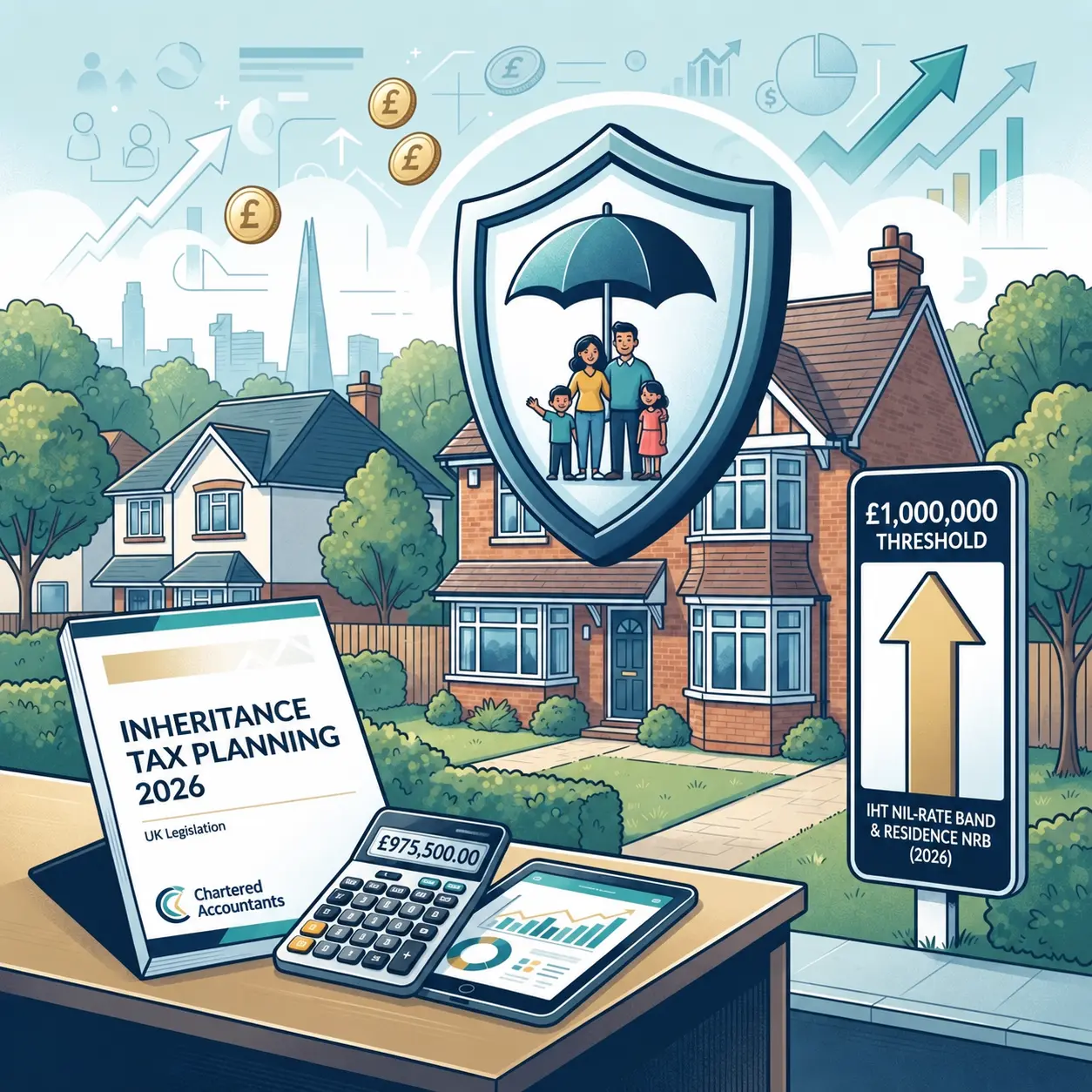
Inheritance Tax Planning: A Practical UK Guide for 2026
A couple in their late sixties own a home worth £750,000 and have £700,000 in savings and investments. Their combined...

Accountant for Community Pharmacy UK: VAT and Tax Guide
A pharmacy can look profitable on paper while still facing tight cash flow. NHS income, retail sales, dispensing margins, staff...

HMRC’s First Cryptoasset Statistics Show Why Records Matter
Capital Gains Tax is becoming increasingly important for UK crypto investors as HMRC gains access to more detailed information about...

Making Tax Digital for Income Tax 2026: What to Do Now
A sole trader may have completed the first MTD quarterly update without realising that the next deadline is already approaching....

MTD for Income Tax: What Sole Traders and Landlords Should Do After the First Deadline
A client came to Apex Accountants last week, a sole trader with two income streams, unsure whether she had met...

HMRC’s 436,000 MTD Milestone: What Sole Traders and Landlords Should Do Before September
We are increasingly asked the same question by clients who have heard about Making Tax Digital but are not sure...

HMRC Late Payment Interest Rate: What 7.75% Costs You
Miss a tax deadline today and HMRC charges 7.75% a year on the outstanding balance. The Bank of England’s base...
Electricity VAT Cut 2026: What the Six-Month Zero Rate Means from 1 October
The government’s announcement, made in July by new Prime Minister Andy Burnham as one of his first acts in office,...

What Happens to Your Personal Allowance Above £100,000 Income?
For UK taxpayers asking “What happens to my Personal Allowance if I earn over £100,000?”, the answer depends on HMRC’s...