
-
CALL US 0203 883 4777
How Expert Accounting for Advertising Design Companies Drives Business Growth

In the fast-paced world of advertising and design, maintaining sound financial management is crucial for success. Advertising design companies face unique challenges such as project-based revenue, fluctuating cash flows, and complex cost structures. Without a clear accounting strategy, these challenges can quickly escalate, leading to cash flow issues or regulatory missteps. That’s where accounting for advertising design companies becomes essential. By implementing effective accounting practices, agencies can not only streamline their financial operations but also position themselves for growth in an expanding market.
At Apex Accountants, we specialise in providing creative industry accounting services tailored to the needs of advertising design businesses. Our team helps ensure that your business stays compliant, optimises costs, and maximises profitability, so you can focus on what you do best – creating exceptional design solutions.
Importance of Accounting for Advertising Design Companies
1. Project-Based Revenue and Irregular Cash Flows
Advertising design agencies often rely on project fees or retainers, which can lead to irregular cash flows. Proper accounting helps forecast revenue, match it against associated costs, and optimise cash flow management.
2. Complex Cost Structures
Agencies manage multiple expenses, from salaries for creative staff to software subscriptions and office overheads. Keeping accurate records is essential for identifying cost-saving opportunities and tracking spending.
3. Regulatory Compliance
UK tax laws require businesses to submit Corporation Tax returns (CT600), file VAT returns, and report income through self-assessment. Failing to comply can lead to penalties.
4. Industry Growth
With UK ad spend set to exceed£43 billion by 2025, agencies need efficient accounting practices to manage their share of this growing market. Accounting systems should be able to track growth and facilitate strategic decision-making.
Revenue Recognition and Billing
Advertising agencies often bill clients using different methods:
- Project-based fees: Revenue is recognised based on project milestones or percentage completion.
- Retainers: Steady cash flow needs to be matched against deliverables, using deferred revenue accounts for unearned income.
- Performance-based bonuses: Revenue is recognised when performance conditions are met.
Implementing time-tracking and project-management software helps streamline billing and ensure accuracy in invoicing.
Expense Management
UK businesses can deduct costs “wholly and exclusively” for trade. Common deductible expenses for advertising agencies include:
- Staff salaries and freelance payments
- Design software subscriptions
- Office rent, utilities, and equipment
- Marketing and advertising costs
- Travel and subsistence
Correctly documenting these expenses ensures that your taxable profit is as low as possible.
Cash Flow Management and Forecasting
Good accounting practices help advertising agencies manage cash flow:
- Maintain a cash buffer for at least three months of operating costs.
- Monitor debtor days to improve cash collection.
- Use cloud accounting software for advertising design businesses like Xero or QuickBooks to automate invoicing and track financial data in real time.
By adopting these practices and utilising creative industry accounting services, advertising design agencies can strengthen their financial management, enhance profitability, and support long-term growth.
Case Study: Successful Cash Flow Management for a Design Agency
A mid-sized advertising design agency came to us after struggling with cash flow issues due to delayed client payments and inconsistent revenue from project-based billing. We implemented a detailed cash-flow forecasting model and helped the agency set up automated invoicing through Xero, significantly improving their ability to predict cash flow and manage working capital. Within six months, the agency improved its cash reserves by 25%, reduced its reliance on overdrafts, and maintained timely payments to its suppliers.
How Apex Accountants Helps
At Apex Accountants, we provide comprehensive services for advertising design agencies:
- Tailored bookkeeping and management accounts for project-based businesses.
- Tax compliance and planning to ensure you meet deadlines and optimise tax benefits.
- Cash-flow forecasting to help plan staffing and investment.
- Business advisory services for pricing strategies and growth opportunities.
Conclusion
In the ever-evolving advertising design industry, effective accounting practices are crucial for staying competitive and managing growth. By implementing robust financial strategies, including the use of advanced accounting software for advertising design businesses, agencies can streamline their operations, maintain healthy cash flow, and remain compliant with tax regulations.
At Apex Accountants, we offer accounting services designed to meet the unique needs of advertising design companies. Whether you’re managing project-based revenue, tracking expenses, or forecasting cash flow, our expert team ensures that your financial processes are efficient, accurate, and aligned with industry standards.
Contact Apex Accountants today to learn how we can support your business in achieving financial clarity and sustained growth.
Recent Posts
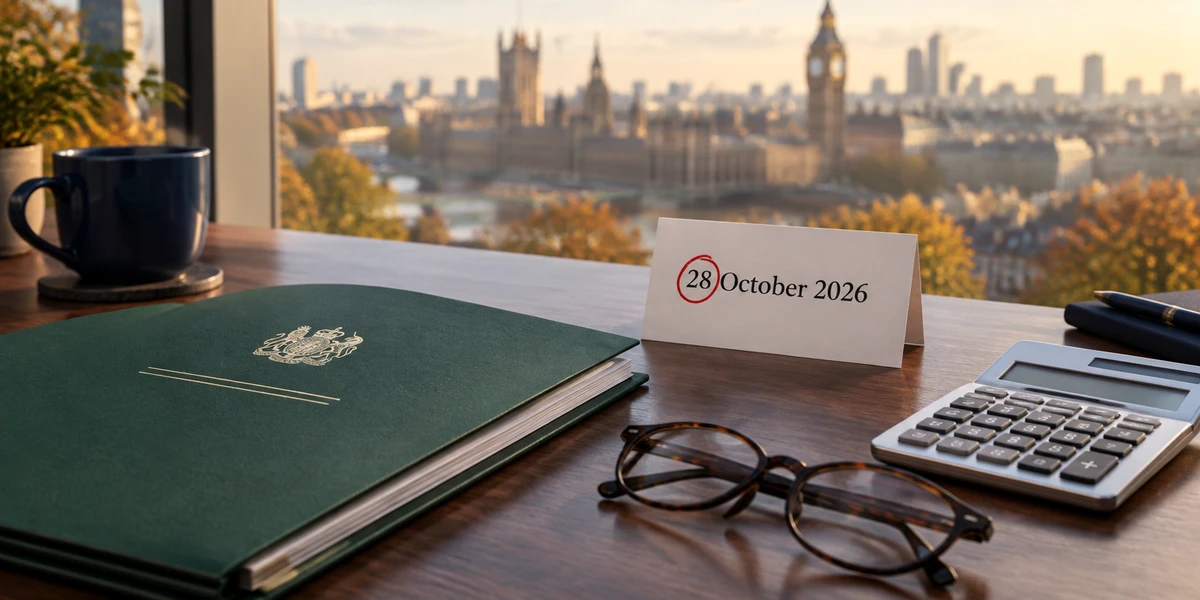
Autumn Budget 2026 Date Confirmed for 28 October
The Chancellor, John Healey, will deliver the Autumn Budget 2026 on Wednesday, 28 October, HM Treasury has confirmed. The confirmed...

Director Tax Return 2025/26: New Self Assessment Rules for Close Company Directors
If you run an owner-managed or family company, your director tax return 2025/26 asks for more information than ever before....

What Happens to Your Personal Allowance over £100,000 Income?
For UK taxpayers asking “What happens to my Personal Allowance if I earn over £100,000?”, the answer depends on HMRC’s...

Can You Reclaim VAT on Transaction Fees in the UK
Most businesses ask this as a yes-or-no question, but UK VAT does not work that neatly. Whether a business can...

Business Rates Relief 2026: Could the Threshold Increase?
The current relief thresholds have not changed. Business rates relief 2026 has not adopted a £17,096 exemption threshold. A newspaper...

Taking Money Out of Your Company: 2026 Rule Changes Explained
On 14 September 2026, HMRC closed its consultation on modernising the taxation of distributions and repayments of capital from companies....

Is the UK Tax System Too Complex for Small Businesses in 2026?
For many small businesses, keeping up with tax now means managing several filing cycles, digital reporting requirements and separate payment...

Comprehensive Guide to LLP Benefits and Disadvantages
A business with two or more owners may want the flexibility of a partnership without exposing every member to the...

How to Avoid Common Errors in VAT for Auto Repair Shops
Auto repair shops in the UK often handle parts sales and labour charges for the same job. While this is...

How the UK Exit Tax Proposal Could Introduce a 20% Charge for Individuals and Businesses
The proposed UK exit tax is a one-off charge, reported at around 20%, on unrealised gains in UK business and...