
-
CALL US 0203 883 4777
R&D Tax Relief for Wearable Technology Companies Investing in Smart Textiles & Sensors
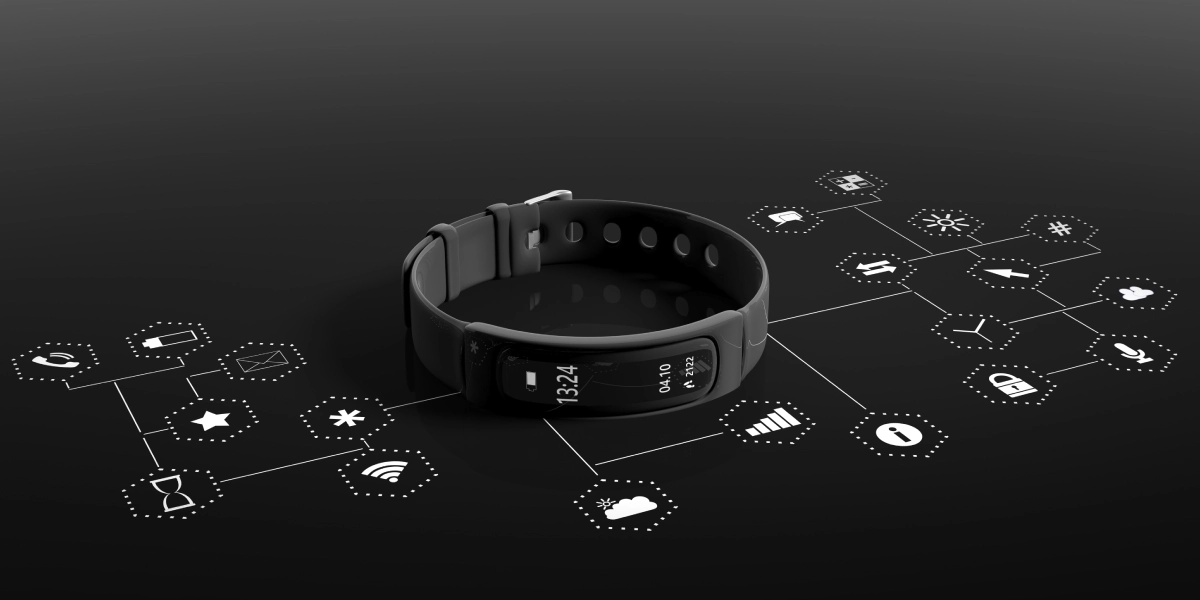
Wearable technology is transforming fashion, fitness, and healthcare. From smart fabrics to embedded biometric sensors, innovative brands are leading the way in research and development. These advancements may qualify for R&D tax relief for wearable technology companies—a valuable opportunity to recover costs and reinvest in future innovation.
At Apex Accountants, we help wearable-tech companies identify eligible projects, capture qualifying costs, and prepare compliant claims that meet HMRC standards. Our expertise ensures your innovation is rewarded with the relief it deserves. We provide tailored R&D tax support for wearable brands, helping them unlock the true financial value of their innovations.
In this article, we outline what counts as R&D in wearable tech, which costs can be claimed, how to avoid common pitfalls, and what strategies can boost your claim.
What Counts as R&D in Wearable Tech?
To qualify for relief, your project must seek a scientific or technological advance. It must also involve uncertainty that competent professionals cannot readily resolve. Examples include:
- Embedding sensors into textiles without affecting flexibility
- Creating washable conductive threads or coatings
- Designing garments that collect accurate biometric data during movement
- Developing textiles with integrated power sources
Routine design or styling work does not qualify.
Key R&D Costs You Can Claim
Wearable brands can claim relief on:
- Staff costs – engineers, product designers, data scientists
- Materials – smart fibres, printed electronics, sensor modules
- Software – custom code for data capture or wireless communication
- Subcontractors – external testing labs or university collaborations
- Utilities – electricity or heating used in development areas
For SMEs, R&D relief offers a valuable opportunity to recover a portion of qualifying development costs. Larger firms may benefit under the R&D Expenditure Credit (RDEC) or the merged scheme depending on their accounting period. These schemes are especially relevant when seeking tax credits for sensor technology or developing embedded systems within textiles.
Strategies to Strengthen Your Claim
At Apex Accountants, we recommend these practical steps:
- Document every stage – Keep logs of tests, failures, and outcomes
- Separate R&D from production – Allocate time and materials correctly
- Identify uncertainties early – Define technical challenges in writing
- Include indirect support staff – Project managers and QA can also qualify
We also advise pairing R&D claims with Patent Box relief if you’ve patented any sensor or textile innovation. When handled correctly, R&D tax support for wearable brands can significantly reduce development costs while improving cash flow for growth.
Smart Compliance with HMRC Expectations
HMRC scrutiny is increasing. Claims must include:
- A clear technical narrative
- Breakdown of costs by category
- Explanation of how the uncertainty was resolved
Missing detail or incorrect classification can lead to delays or rejection. This is especially important when claiming tax credits for sensor technology, which often involves complex integration and iterative development.
Case Study
One wearable-tech brand approached us while developing fitness garments that monitor hydration and temperature in real time. The project involved tackling sensor fragility, ensuring textile washability, and reducing signal distortion during motion.
We helped identify and document the qualifying R&D work, which included electronic-textile integration, prototype testing, and in-house software development. The claim covered both direct and indirect R&D costs, including specialist engineers, materials, and testing phases.
The business recovered £72,000 through a successful SME R&D tax relief claim. This cash boost supported their next phase of innovation and patent planning.
Apex Accountants’ Approach to R&D Tax Relief for Wearable Technology Companies
At Apex Accountants, we combine deep sector knowledge with technical expertise to help wearable technology brands access the full benefits of R&D tax relief. We understand the unique challenges faced by innovators working with smart textiles, embedded sensors, and data-driven design. That’s why we don’t offer generic advice—we provide tailored, proactive support from start to finish.
Our R&D specialists will:
- Assess your eligibility by reviewing the technical aims, uncertainties, and experimental processes in your development work
- Identify all qualifying costs across staffing, materials, software, subcontractors, and utilities
- Prepare audit-ready documentation that meets HMRC’s latest compliance standards, including the new Additional Information Form
- Assist during HMRC reviews or enquiries, giving you peace of mind and confidence in the strength of your claim
- Offer strategic guidance on future R&D activities, intellectual property structuring, and potential Patent Box relief opportunities
We don’t just complete forms—we partner with you to build a robust claim that reflects the true value of your innovation. Our process is clear, collaborative, and designed to recover the maximum benefit for your business.
Ready to claim what you’re owed?
Contact Apex Accountants today for a free consultation and expert advice tailored to your wearable tech innovation.
Recent Posts
R&D Tax Relief 2026: New HMRC Rules and How to Claim Successfully
We’re seeing more companies come to us after having their R&D tax relief claims questioned, returned, or rejected by HMRC....

HMRC Auto-Registration for MTD: What Happens If You Don’t Sign Up First
Sole traders and landlords are increasingly asking what happens if they do not respond to Making Tax Digital sign-up letters....

A Complete Guide to UK Airbnb Tax: Rules, Reliefs and Rates for 2026/27
A host can receive regular Airbnb bookings and still be unsure whether HMRC sees the income as a small side...

Inheritance Tax Planning: A Practical UK Guide for 2026
A couple in their late sixties own a home worth £750,000 and have £700,000 in savings and investments. Their combined...

Accountant for Community Pharmacy UK: VAT and Tax Guide
A pharmacy can look profitable on paper while still facing tight cash flow. NHS income, retail sales, dispensing margins, staff...

HMRC’s First Cryptoasset Statistics Show Why Records Matter
Capital Gains Tax is becoming increasingly important for UK crypto investors as HMRC gains access to more detailed information about...

Making Tax Digital for Income Tax 2026: What to Do Now
A sole trader may have completed the first MTD quarterly update without realising that the next deadline is already approaching....

MTD for Income Tax: What Sole Traders and Landlords Should Do After the First Deadline
A client came to Apex Accountants last week, a sole trader with two income streams, unsure whether she had met...

HMRC’s 436,000 MTD Milestone: What Sole Traders and Landlords Should Do Before September
We are increasingly asked the same question by clients who have heard about Making Tax Digital but are not sure...

HMRC Late Payment Interest Rate: What 7.75% Costs You
Miss a tax deadline today and HMRC charges 7.75% a year on the outstanding balance. The Bank of England’s base...