
-
CALL US 0203 883 4777
Update On Salary Sacrifice Arrangements

The tax and NIC advantages of certain benefits provided as part of a salary sacrifice arrangements were removed from 6 April 2017. The change effectively removed the Income Tax and employer NIC advantages of certain benefits provided as part of salary sacrifice arrangements such as mobile phones and workplace parking.
Where these benefit valuation rules apply, the value of the benefit for tax and NIC purposes is the higher of the amount of cash pay given up and the taxable value of the benefit in kind. This is known as optional remuneration arrangements (OpRA).
However, under a transitional plan the old salary sacrifice rules continue until 6 April 2021 for:
- the provision of a car with emissions of more than 75g CO2/km
- provided living accommodation
- the payment of school fees
The new rules will not apply to these types of benefits until 6 April 2021, unless employees vary or renew their arrangements.
An arrangement is not regarded as being varied if the variation of the arrangement is only directly in connection with coronavirus.
A salary sacrifice arrangement is an agreement to reduce an employee’s entitlement to cash pay, usually in return for a non-cash benefit.
As an employer, you can set up a salary sacrifice arrangement by changing the terms of your employee’s employment contract. Your employee needs to agree to this change.
A salary sacrifice arrangement must not reduce an employee’s cash earnings below the National Minimum Wage (NMW) rates. Employers must put procedures in place to cap salary sacrifice deduction and ensure NMW rates are maintained.
If you are looking to know more; feel free to book a no obligation call with us.
Recent Posts

Can You Hold Crypto ETNs in an IFISA? What Stratiphy Means for UK Investors
The position is now much clearer. Retail access to certain crypto exchange-traded notes (crypto ETNs) in an IFISA was reopened...

7 Must-Have Features in Accounting Software for Car Rental Businesses
Running a car rental company in the UK involves far more than simply handing over keys to customers. From navigating...

All You Need to Know About Companies House Late Account Filing Penalties for Private, Public Companies and LLPs
Companies House late filing penalties remain a significant concern for private companies, public companies, and LLPs across the UK. Missing...

5 VAT Strategies For Car Garages To Use In 2026
Car garages face unique challenges when it comes to managing VAT efficiently, especially as the automotive sector continues to evolve....

6 Top VAT Compliance Case Studies and Key Lessons
Understanding VAT compliance can indeed be a tough challenge. Moreover, this is especially true with the varied challenges in different...

How the 182 Day Rule Wales Affects Welsh Farm Businesses
Holiday accommodation is vital to the Welsh rural economy. Yet the 2023 tax reforms introduced a steep 182‑day letting threshold...

Optimise Your Tax Position with VAT Planning Strategies for Different Schemes
Effective VAT Planning Strategies help businesses optimise their tax position, boost cash flow, and simplify VAT compliance. Below are some...

A Practical Guide to VAT for Advertising Design Companies in the UK
Understanding VAT for advertising design companies is essential for ensuring tax compliance and maximising your business’s financial efficiency. As a...

How Bookkeeping Helps Plumbers to Stay on Track
Plumbers spend their working days repairing leaks, clearing blocked drains and installing plumbing systems, leaving limited time for financial administration....
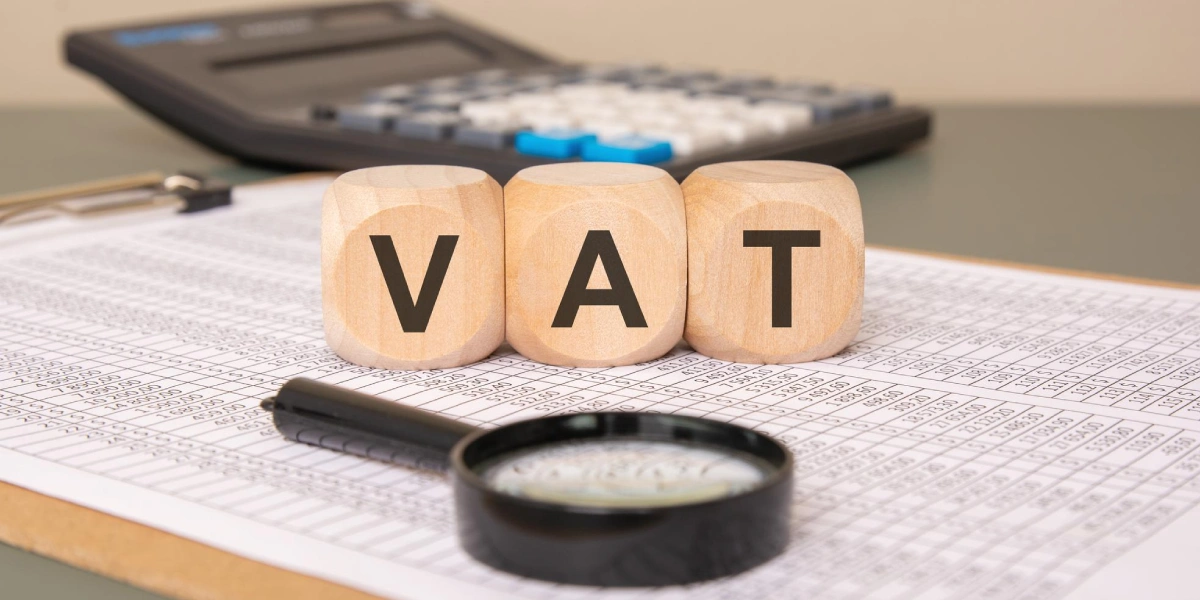
Zero-Rated VAT for Books in the UK: Tribunal Backs Publisher in Ghost-Written Book Dispute
A UK tax tribunal decision in Story Terrace Limited v HMRC [2025] UKFTT 01554 (TC), issued on 11 December 2025,...