
-
CALL US 0203 883 4777
VAT For Barbers: UK Guide for 2026
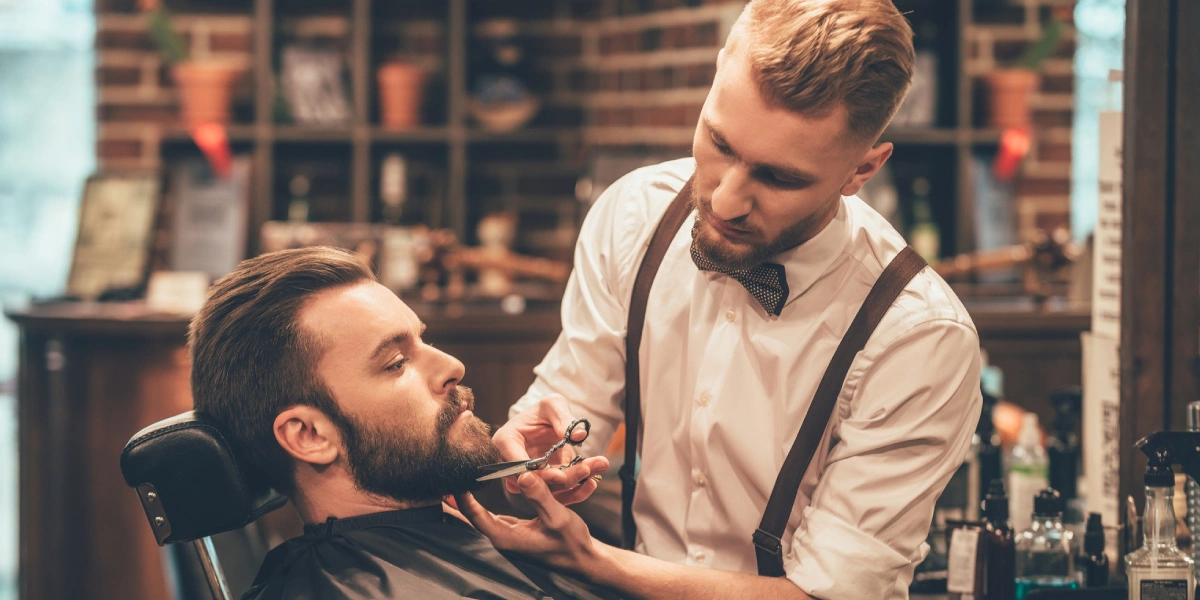
VAT For Barbers is a critical area of understanding for every barber and salon owner in the UK. Whether you’re self‑employed, running a barbershop, or managing a team, VAT can impact pricing, cash flow, and overall financial planning. This comprehensive guide will explore VAT registration, key tax implications, and how employment status affects VAT obligations for barbers. By the end of this guide, you’ll have a deeper understanding of your VAT obligations, making sure you’re fully compliant and optimising your business structure.
When Do Barbers Have to Charge VAT?
The answer depends on your VAT registration status. VAT is an indirect tax applied to most services and goods in the UK, including barbering. If your business turnover exceeds the VAT threshold (currently £90,000 in any rolling 12-month period), you must register for VAT and charge it on services like haircuts, shaves, and product sales.
If you’re below the VAT threshold, you’re not required to register, but you can choose to do so voluntarily. Voluntary registration allows you to reclaim VAT on purchases like clippers, shampoos, and salon equipment, which may be beneficial in some cases.
When you’re VAT registered:
- You must add 20% VAT to taxable services and product sales.
- VAT must be paid to HMRC, and VAT returns are filed quarterly.
- VAT is charged on all taxable services – including cuts, styling, and any products you sell.
VAT Threshold for Barbers in the UK
Understanding VAT Registration Requirements For Barbershops
In UK VAT threshold for barbers is £90,000 in taxable turnover. Once your turnover reaches this amount, you must register for VAT within 30 days
Here’s how VAT registration for barbershops work:
- Monitor your taxable turnover. All sales (services like haircuts and products) contribute to the VAT threshold.
- If you exceed £90,000 in sales during a 12-month period, you must register and begin charging VAT on all taxable supplies.
- You must also register if you expect to exceed the threshold in the next 30 days.
- Once registered, you must submit VAT returns to HMRC quarterly.
However, if your business’s turnover falls below £88,000 in a 12-month period, you can choose to deregister from VAT (if you no longer want to reclaim VAT or charge VAT on sales).

VAT Considerations for Barbers
There are a few key points that every barber needs to understand when it comes to VAT:
Standard VAT vs Flat Rate Scheme
Once your barber business is VAT registered, you have two main options for VAT accounting:
- Standard VAT Scheme: You charge 20% VAT on services, reclaim VAT on purchases, and pay the difference to HMRC. (gov.uk)
- Flat Rate Scheme: A simplified system where you pay a set percentage (around 13% for barbers) of your turnover as VAT. This option is available if your annual turnover is below £150,000 and it reduces the admin burden of calculating VAT separately on each transaction.
Which scheme should barbers choose?
The standard VAT scheme is typically better if your business makes significant purchases (e.g., equipment, products). However, the flat-rate scheme may be beneficial for small barbershops with lower expenses, as it simplifies VAT calculations.
VAT Implications for Self‑Employed vs Employed Staff
The employment status of your staff can affect VAT charges and reporting. Let’s explore how:
If Stylists Are Employed
- VAT is charged on services provided by the barbershop.
- You must account for VAT on all taxable services your salon provides (cuts, styling, etc.).
- Stylists do not charge VAT on their individual earnings since they are employees of the salon.
If Stylists Are Self‑Employed
In a self‑employed chair rental arrangement, VAT treatment depends on the contractual relationship.
- If the stylist contracts directly with customers, they are responsible for their own VAT registration if their turnover exceeds the threshold.
- If the barbershop rents out chairs, VAT may apply to rental income.
HMRC uses various operational tests to decide whether VAT applies to services provided by self‑employed contractors in barbershops. This could include the stylist’s business structure and whether they have direct customer contracts.
List of Barbershop Purchases Eligible for VAT Refunds
Once you’re VAT registered, your business can reclaim VAT on eligible purchases that are used for business activities. Here’s a list of common items that barbershops can reclaim VAT on:
| Item Type | Can You Reclaim VAT? |
| Clippers, scissors, razors | Yes |
| Shampoos & styling products | Yes |
| Commercial rent & utilities | Yes |
| Cleaning supplies | Yes |
| Staff uniforms (protective) | Yes |
| Accounting & professional services | Yes |
Restrictions:
- You cannot reclaim VAT on non‑business items or personal expenses.
- VAT cannot be reclaimed on motor vehicles used for business unless certain conditions are met. (gov.uk)
Reclaiming VAT helps reduce your operating costs and can significantly improve cash flow, but remember, you must keep detailed records of all VAT transactions.
Tax-Saving Strategies for Barbers:
As a VAT-registered business, barbers can take several steps to optimise their tax position:
- Utilise VAT Reclaims: Reclaim VAT on business-related purchases, such as equipment, cleaning supplies, and professional services, to reduce overall costs.
- Choose the Flat Rate Scheme: If your business has low overheads, the Flat Rate Scheme could be a more efficient option, simplifying VAT reporting and potentially saving on tax.
- Maximise Allowable Expenses: Ensure you’re claiming all allowable expenses, such as utilities, business insurance, and office supplies, to reduce taxable profits.
How We Help Barbers
At Apex Accountants, we specialise in helping barbershops and salon owners navigate VAT complexities. Our services include:
- VAT Registration and Compliance: We guide you through the registration process and ensure you’re compliant.
- Taxation Advice: We provide clear advice on how VAT impacts your business model, whether you’re self‑employed, employing others, or operating as a limited company.
- Reclaiming VAT: Our team assists with reclaiming VAT on business purchases to improve your cash flow.
- VAT Schemes Advice: We help you select the right VAT scheme for your business.
- Quarterly VAT Returns: We manage your VAT submissions to HMRC, ensuring deadlines are met and returns are accurate.
If you need assistance with VAT or other accounting services for your barbershop, contact us today.
Conclusion
VAT is an essential aspect of your business’s financial structure. Whether you’re approaching the VAT threshold, considering registration, or managing VAT obligations for self-employed and employed staff, understanding your responsibilities is key to staying compliant and efficient.
By staying on top of your VAT registration, knowing the key factors that affect your business, and reclaiming VAT on eligible purchases, you can optimise your operations and minimise tax risks.
Let Apex Accountants help simplify your VAT process, allowing you to focus on providing excellent service to your clients.
Recent Posts
VAT For Barbers: UK Guide for 2026
VAT For Barbers is a critical area of understanding for every barber and salon owner in the UK. Whether you’re...
Understanding HMRC-Approved Tax-Free Mileage Rates: A Potential Lifesaver for UK Drivers
For many UK workers, driving their own vehicles for business purposes can be a costly endeavour. Fortunately, there is a...

Coventry Transport Company Tax Defaulter Fined For Owing £26,000 In Tax: What It Means For UK Hauliers
A Coventry‑based transport company tax defaulter has appeared on HMRC’s current list of deliberate tax defaulters for failing to pay...
Could Returning to the UK Trigger a Returning Expatriates UK Tax Bill? What You Need to Know
Returning from the Middle East during wartime is an emotional decision, but for many British expatriates, it also brings a...

Why You’re Losing Your £12,570 Personal Allowance
In the UK tax system, most workers benefit from the £12,570 Personal Allowance – the amount of income you can...

UK VAT On Prize Draws Faces Scrutiny As HMRC Clarifies Tax Position
The UK government has confirmed that paid entries to online VAT on prize draws offering both a free and paid...
UK Tax Allowances: Ways to Make the Most of 2025/26 Before 5 April
As the end of the UK tax year approaches, it’s crucial to make the most of available tax allowances before...

The Government Launches Fraud Strategy 2026-2029: A Comprehensive Approach to Tackling Fraud in the UK
On 9th March 2026, the UK government, led by The Rt Hon Lord Hanson of Flint, the Home Office Minister...
HMRC Steps Up Pressure on VAT Reverse Charge in the Construction Industry
HM Revenue & Customs is increasing scrutiny of VAT practices across the UK construction sector as part of a wider...
Public EV Charging VAT Rate in the UK: Tribunal Says 5% Should Apply
A UK tax tribunal has ruled that operators of community electric-vehicle (EV) charge points may apply the 5% reduced VAT...