
-
CALL US 0203 883 4777
VAT Evasion Penalties in the UK: Cunningsburgh Man Who Evaded £166,000 in Tax Ordered to Pay Just £1
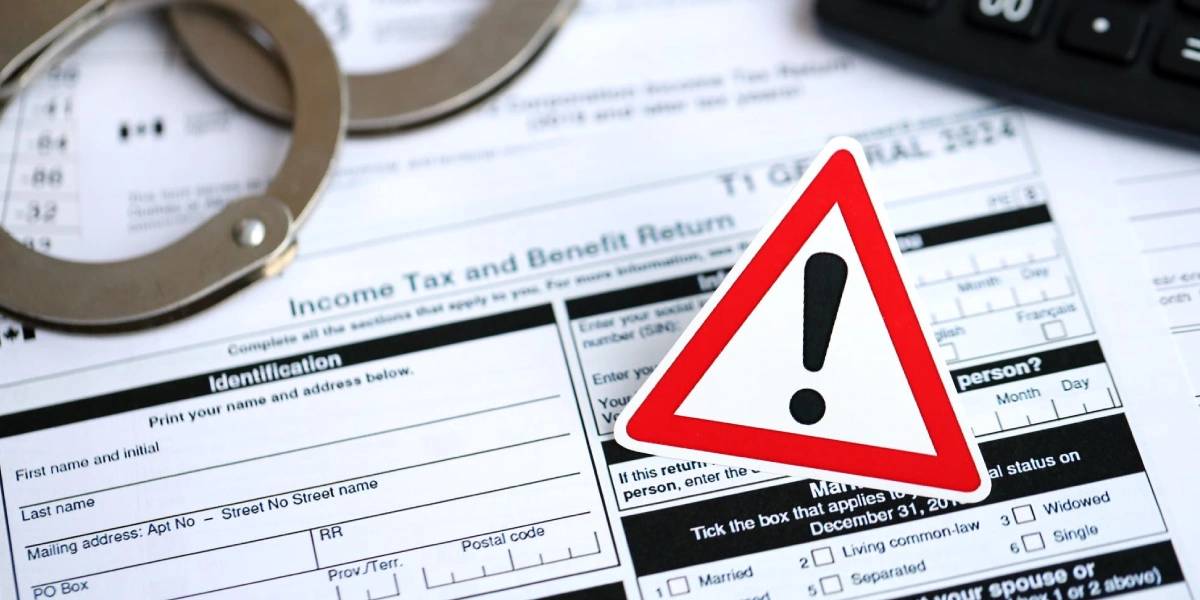
A recent case in Shetland has put the spotlight on VAT fraud and confiscation orders in the UK. A businessman from Cunningsburgh, who fraudulently claimed £166,000 in VAT refunds, was sentenced to 18 months in prison, highlighting the severe VAT evasion penalties in the UK, and ordered to pay only £1 under the Proceeds of Crime Act. The man, a company director in his forties, exploited the VAT system by inflating invoices, claiming input tax on personal purchases, and submitting falsified bank statements to HM Revenue & Customs (HMRC). Despite the significant financial wrongdoing, the court was only able to enforce a token confiscation order due to the man’s lack of assets to seize.
This case highlights the risks of VAT fraud and raises concerns for UK businesses about the consequences of such offences. With the tax authorities pursuing strict punishments for fraudsters, this case serves as a reminder to businesses about the importance of VAT compliance and the consequences of evading tax responsibilities.
How the fraud was carried out
Evidence presented in court suggested that the Cunningsburgh director used a mix of fraudulent techniques:
- Falsified paperwork – he created or edited invoices and bank statements to inflate the value of purchases or to show that personal expenses were legitimate business costs. Under the VAT system, businesses can reclaim the tax paid on goods and services used in their trade; by doctoring documents, he increased his input tax claims.
- Misuse of personal purchases – personal items such as vehicles and household goods were bought at the normal VAT-inclusive price and then claimed as business expenses. HMRC considers such behaviour fraudulent VAT evasion because the input tax is not attributable to taxable supplies.
- Sustained deception – local reports indicate that the fraud continued for almost two years before HMRC identified irregularities. The sentencing judge at Lerwick Sheriff’s Court described the behaviour as “devious” and “calculated.”
The fraudulent scheme was uncovered after VAT compliance services for businesses flagged inconsistencies between VAT returns and underlying records. This case further highlights the importance of UK VAT fraud risk management to help businesses avoid such risks and ensure proper VAT compliance. During the sentencing hearing, the judge mentioned the need for a deterrent sentence and stressed that VAT fraud harms the public purse. The 18‑month custodial term is consistent with the Sentencing Council’s guidelines, which state that fraudulent evasion of VAT under section 72 of the Value Added Tax Act 1994 can result in custodial sentences of up to 14 years and that offence ranges span from a band C fine to 13 years’ custody.
VAT fraud in the UK: Legal framework and penalties
Fraudulent evasion of VAT is a criminal offence under section 72 of the Value Added Tax Act 1994. The legislation provides for serious penalties. Where a person is knowingly involved in the fraudulent evasion of VAT, they are liable:
- On summary conviction – to a penalty up to the statutory maximum of £20,000, or three times the amount of VAT evaded, whichever is greater, and up to six months’ imprisonment.
- On conviction on indictment – to an unlimited fine or imprisonment for up to 14 years, or both. The Sentencing Council notes that the maximum sentence for offences committed on or after February 22, 2024, is increased from seven to fourteen years.
HMRC also has civil penalties for participating in transactions connected with VAT fraud. Company officers may be jointly liable if their actions facilitated the fraud. HMRC’s compliance‑checks factsheet states that when HMRC denies input tax under the ‘knowledge principle’ (where a trader knew or should have known the transaction was fraudulent), the penalty is fixed at 30% of the VAT denied, emphasising the importance of UK VAT fraud risk management.

Confiscation orders and the £1 payment
After criminal convictions, courts can make confiscation orders under the Proceeds of Crime Act 2002. These orders require offenders to repay the benefit from their crime. Where no recoverable assets are available, the court may impose a nominal order, often £1. The token order does not wipe out the debt – if assets are discovered later, the full sum can be recovered, and failure to pay can lead to further imprisonment. The Cunningsburgh case thus illustrates a paradox: although the offender stole more than £166,000, he currently has no assets, so he is only ordered to repay a pound. The debt remains enforceable for life and will be revisited if he acquires assets in future.
Implications for UK businesses
This case underscores several broader themes for businesses:
- VAT is a trust-based tax – HMRC relies on businesses to submit accurate returns, and VAT compliance services for businesses can help ensure compliance and avoid costly mistakes. Fraudulent claims directly deprive the Treasury of revenue, and HMRC invests significant resources in compliance checks and data analytics. Finding irregularities can lead to civil penalties, public naming, and criminal prosecution.
- Directors can be personally liable – under HMRC’s guidance, company officers may be liable for penalties when they knew or should have known that transactions were connected with VAT fraud. Directors should ensure robust controls over invoicing, record‑keeping and VAT calculations.
- Fines and prison terms are severe – VAT fraud is not a minor offence. The Value Added Tax Act allows fines up to three times the tax evaded and imprisonment for up to 14 years. Sentences vary according to culpability and harm, but courts take sustained deception seriously, as shown by the 18‑month term in this case.
- Confiscation orders persist – nominal orders do not absolve the offender. Businesses and individuals tempted to hide assets should note that the Proceeds of Crime Act enables recovery years after conviction.
Practical steps to prevent VAT fraud
Businesses can mitigate risk and avoid unintentional involvement in VAT fraud by adopting good practices:
- Strengthen internal controls: implement checks on invoicing and purchasing processes to improve HMRC VAT audit support and help prevent VAT fraud for companies. ensure that all expenses claimed for VAT recovery are wholly and exclusively for business purposes.
- Keep accurate records: maintain digital and physical records that support VAT claims. HMRC’s Making Tax Digital rules mandate the electronic storage of VAT records.
- Conduct due diligence on suppliers: if you buy from missing traders or carousel fraudsters, HMRC can deny your input tax claim and charge a 30 % penalty. Verify that suppliers are genuine and VAT‑registered.
- Seek professional advice early: consult tax advisers before embarking on complex transactions; disclosure of errors to HMRC can reduce penalties.
- Train staff: ensure finance and procurement teams understand the VAT rules and the difference between business and personal expenditure.
How Apex Accountants & Tax Advisors can help
Apex Accountants & Tax Advisors offers specialist support to prevent VAT abuses like those seen in the case of the Cunningsburgh man who evaded £166,000 in VAT. Our chartered tax advisers assist clients with:
- Compliance reviews – assessing whether your VAT returns and systems meet HMRC standards.
- VAT planning: structuring transactions to maximise legitimate relief while avoiding the pitfalls of fraudulent schemes.
- Representation in HMRC investigations – if HMRC opens a compliance check, we provide expert advocacy and negotiate on your behalf.
- Training and governance – designing internal controls and staff training to minimise the risk of errors or fraud and enhance HMRC VAT audit support for businesses.
With the tax authority increasingly using sophisticated analytics and the courts imposing severe penalties, expert advice has never been more important. Contact Apex Accountants today to arrange a confidential consultation and ensure your business stays on the right side of the law.
Frequently asked questions
What constitutes VAT fraud?
VAT fraud involves deliberately misstating or concealing information to reduce VAT liabilities. Examples include failing to register for VAT when required, submitting false invoices, claiming input tax on personal expenses, and participating in missing trader carousel schemes. Section 72 of the Value Added Tax Act 1994 criminalises fraudulent VAT evasion.
What penalties can HMRC impose without a criminal prosecution?
HMRC can deny input tax and levy civil penalties. Under the knowledge principle, the penalty is 30 % of the VAT denied. HMRC may also publish the names of businesses and directors involved in serious VAT fraud.
When must a business register for VAT?
A UK business must register if its taxable turnover exceeds the registration threshold (currently £90,000 per annum). Deliberate failure to register when required is treated as tax evasion and can lead to penalties or criminal charges.
Can directors be personally liable for VAT fraud committed by their company?
Yes. HMRC guidance states that company officers who knew or should have known about fraudulent transactions can be liable for all or part of the penalty. Criminal prosecution is also possible under section 72 of the VAT Act.
What happens if someone cannot pay a confiscation order?
The court may impose a nominal order, often £1, if there are no recoverable assets. However, the full amount remains due, and authorities can recover assets later. Failure to pay confiscation orders can result in additional prison sentences.
Recent Posts
R&D Tax Relief 2026: New HMRC Rules and How to Claim Successfully
We’re seeing more companies come to us after having their R&D tax relief claims questioned, returned, or rejected by HMRC....

HMRC Auto-Registration for MTD: What Happens If You Don’t Sign Up First
Sole traders and landlords are increasingly asking what happens if they do not respond to Making Tax Digital sign-up letters....

A Complete Guide to UK Airbnb Tax: Rules, Reliefs and Rates for 2026/27
A host can receive regular Airbnb bookings and still be unsure whether HMRC sees the income as a small side...
Inheritance Tax Planning: A Practical UK Guide for 2026
A couple in their late sixties own a home worth £750,000 and have £700,000 in savings and investments. Their combined...

Accountant for Community Pharmacy UK: VAT and Tax Guide
A pharmacy can look profitable on paper while still facing tight cash flow. NHS income, retail sales, dispensing margins, staff...

HMRC’s First Cryptoasset Statistics Show Why Records Matter
Capital Gains Tax is becoming increasingly important for UK crypto investors as HMRC gains access to more detailed information about...

Making Tax Digital for Income Tax 2026: What to Do Now
A sole trader may have completed the first MTD quarterly update without realising that the next deadline is already approaching....

MTD for Income Tax: What Sole Traders and Landlords Should Do After the First Deadline
A client came to Apex Accountants last week, a sole trader with two income streams, unsure whether she had met...

HMRC’s 436,000 MTD Milestone: What Sole Traders and Landlords Should Do Before September
We are increasingly asked the same question by clients who have heard about Making Tax Digital but are not sure...

HMRC Late Payment Interest Rate: What 7.75% Costs You
Miss a tax deadline today and HMRC charges 7.75% a year on the outstanding balance. The Bank of England’s base...