
-
CALL US 0203 883 4777
Comprehensive Guide to CGT Exempt Assets and Transactions

Several assets and transactions exempt from CGT Exempt Assets can significantly impact financial planning. It’s essential to understand these exemptions to make informed decisions. Below is a detailed overview of assets typically not subject to CGT under UK legislation.
Personal Vehicles
You don’t pay CGT on private cars, including classic and vintage models, as long as they aren’t used for business purposes. For example, when you sell a personal car, whether it’s a new model or a vintage collector’s item, no CGT exempt assets are applied, even if you make a profit.
Gifts to Charities
You don’t pay CGT on assets donated to registered charities. This exemption provides a tax-efficient way to dispose of assets and encourages charitable giving. For instance, donating artwork valued at £10,000 to a charity wouldn’t trigger any CGT exempt assets, even if its value has risen.
Government Securities
You don’t pay CGT on specific government securities like Premium Bonds and National Savings Certificates. Any gains from selling National Savings Certificates are exempt from CGT, making them a secure and tax-efficient investment option.
Personal Possessions Below £6,000
CGT Exempt Assets do not apply to personal possessions, or “chattels,” sold for less than £6,000. This includes items like jewellery, antiques, and collectables. Therefore, selling a collection of antique books for £5,500, for example, would not attract CGT because the total value is below the £6,000 threshold.
Wasting Assets
You don’t pay CGT on wasting assets, which are assets with a lifespan of 50 years or less. These include items like machinery, yachts, and caravans. For example, selling a leisure boat, classified as a wasting asset, won’t trigger CGT exempt assets.
Main Residence Relief
You don’t pay CGT when selling your main home, as long as it has been your primary residence throughout ownership. Thanks to Principal Private Residence Relief, any profit from the sale of your home remains exempt from CGT if you’ve lived there continuously.
ISAs and Pensions
Investments held within Individual Savings Accounts (ISAs) or pensions are exempt from CGT. As a result, any gains made from stocks and shares within these accounts are not subject to CGT. For instance, selling shares within an ISA does not trigger any CGT liability, making ISAs an extremely tax-efficient investment vehicle.
Compensation for Personal Injury
CGT is not applied to compensation received for personal injury or wrongful death. For example, any compensation payments received following an accident remain exempt from CGT in the UK.
Broader Categories of Exemptions:
Understanding these exemptions can significantly aid in better financial planning.
- Strategic Gifting: By gifting assets to spouses or civil partners, it is possible to utilise the annual exempt amount and benefit from their lower tax bands.
- Charitable Donations: Donating assets to registered charities allows you to benefit from CGT exemptions while also supporting good causes.
- Investment in Tax-Advantaged Accounts: Utilising ISAs and pensions allows for the tax-free growth of investments.
- Utilising Wasting Assets: Investing in assets that qualify as wasting can help avoid CGT exempt assets on property.
Conclusion
Understanding these CGT exemptions is essential for effective tax planning. Many are concerned with how to avoid CGT exempt assets in the UK, especially regarding tax advantages of ISA. Engaging in financial planning for CGT involves considering these exemptions and exploring strategies such as allowable deductions for CGT exempt assets on property. Whether dealing with Annual Capital Gains Tax Exemption on inherited property or property sales, it is important to be aware of the Annual Capital Gains Tax Exemption and tax advantages of ISA. For the tax year 2023/24, the Annual Capital Gains Tax Exemption has been adjusted, further highlighting the need for thorough financial planning for CGT and advisory.
At Apex Accountants, our experts can provide tailored guidance and advice. With a deep understanding of these exemptions and other tax planning strategies, we ensure that your financial decisions align with UK legislation and optimise your tax efficiency.
Recent Posts

Accountant for Community Pharmacy UK: VAT and Tax Guide
A pharmacy can look profitable on paper while still facing tight cash flow. NHS income, retail sales, dispensing margins, staff...

HMRC’s First Cryptoasset Statistics Show Why Records Matter
Capital Gains Tax is becoming increasingly important for UK crypto investors as HMRC gains access to more detailed information about...
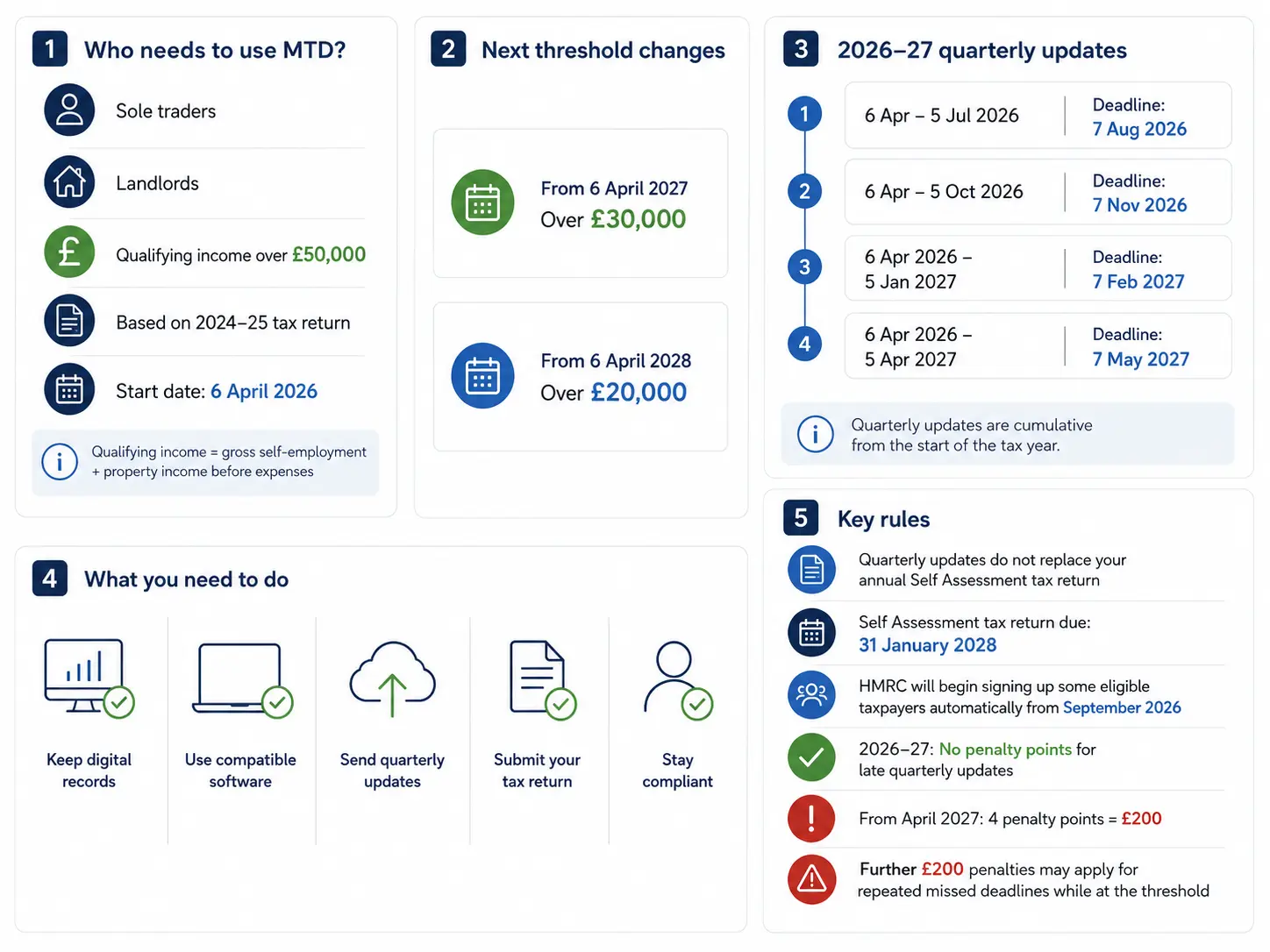
Making Tax Digital for Income Tax 2026: What to Do Now
A sole trader may have completed the first MTD quarterly update without realising that the next deadline is already approaching....

MTD for Income Tax: What Sole Traders and Landlords Should Do After the First Deadline
A client came to Apex Accountants last week, a sole trader with two income streams, unsure whether she had met...

HMRC’s 436,000 MTD Milestone: What Sole Traders and Landlords Should Do Before September
We are increasingly asked the same question by clients who have heard about Making Tax Digital but are not sure...

HMRC Late Payment Interest Rate: What 7.75% Costs You
Miss a tax deadline today and HMRC charges 7.75% a year on the outstanding balance. The Bank of England’s base...
Electricity VAT Cut 2026: What the Six-Month Zero Rate Means from 1 October
The government’s announcement, made in July by new Prime Minister Andy Burnham as one of his first acts in office,...

What Happens to Your Personal Allowance Above £100,000 Income?
For UK taxpayers asking “What happens to my Personal Allowance if I earn over £100,000?”, the answer depends on HMRC’s...

Tax Codes: What Should You Put for Personal Allowances?
For UK employees, pensioners and employers asking, “What should I put for personal allowances?”, the answer depends on the person’s...

Complete Guide on First Making Tax Digital Quarterly Update Deadline 2026
We are increasingly hearing from sole traders and landlords who know that Making Tax Digital started in April but remain...