
-
CALL US 0203 883 4777
Do tax-payers need to register for Self-Assessment

There are a number of reasons why a taxpayer needs to complete a Self-Assessment return. This includes if they are self-employed, a company director, have an annual income over £100,000 and / or have income from savings, investment or property.
Taxpayers that need to complete a Self-Assessment return for the first time should inform HMRC as soon as possible. The latest date that HMRC should be notified is by 5 October following the end of the tax year for which a Self-Assessment return needs to be filed.
In certain circumstances, HMRC also asks taxpayers to complete tax returns. HMRC has an online tool that can help taxpayers ascertain whether they are required to submit a Self-Assessment return.
The list of taxpayers that are likely to be required to submit a Self-Assessment return includes:
- The self-employed;
- Taxpayers who had £2,500 or more in untaxed income;
- Those with savings or investment income of £10,000 or more before tax;
- Taxpayers who made profits from selling things like shares, a second home or other chargeable assets and need to pay Capital Gains Tax;
- Company directors – unless it was for a non-profit organisation (such as a charity) and you didn’t get any pay or benefits, like a company car;
- Taxpayers whose income (or that of their partner’s) was over £50,000 and one spouse/partner claimed Child Benefit;
- Taxpayers who had income from abroad that they needed to pay tax on;
- Taxpayers who lived abroad and had a UK income;
- Income over £100,000.
Recent Posts

Self Assessment Registration Deadline: What to Do Before 5 October 2026
We’re increasingly asked by clients who started trading during 2025/26: “Do I need to register for Self Assessment?” It’s a...

R&D Tax Relief 2026: New HMRC Rules and How to Claim Successfully
We’re seeing more companies come to us after having their R&D tax relief claims questioned, returned, or rejected by HMRC....

HMRC Auto-Registration for MTD: What Happens If You Don’t Sign Up First
Sole traders and landlords are increasingly asking what happens if they do not respond to Making Tax Digital sign-up letters....
A Complete Guide to UK Airbnb Tax: Rules, Reliefs and Rates for 2026/27
A host can receive regular Airbnb bookings and still be unsure whether HMRC sees the income as a small side...
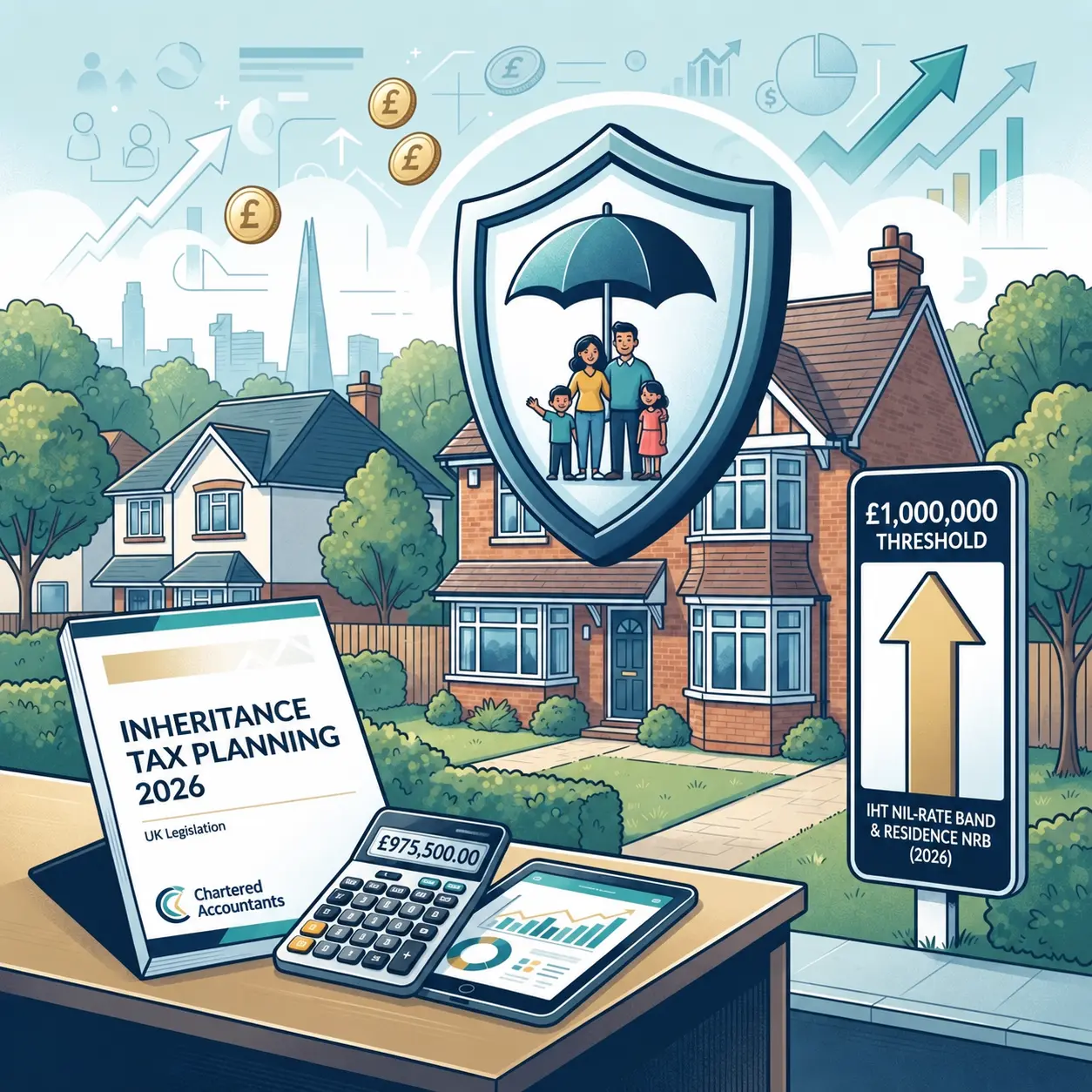
Inheritance Tax Planning: A Practical UK Guide for 2026
A couple in their late sixties own a home worth £750,000 and have £700,000 in savings and investments. Their combined...

Accountant for Community Pharmacy UK: VAT and Tax Guide
A pharmacy can look profitable on paper while still facing tight cash flow. NHS income, retail sales, dispensing margins, staff...

HMRC’s First Cryptoasset Statistics Show Why Records Matter
Capital Gains Tax is becoming increasingly important for UK crypto investors as HMRC gains access to more detailed information about...

Making Tax Digital for Income Tax 2026: What to Do Now
A sole trader may have completed the first MTD quarterly update without realising that the next deadline is already approaching....

MTD for Income Tax: What Sole Traders and Landlords Should Do After the First Deadline
A client came to Apex Accountants last week, a sole trader with two income streams, unsure whether she had met...

HMRC’s 436,000 MTD Milestone: What Sole Traders and Landlords Should Do Before September
We are increasingly asked the same question by clients who have heard about Making Tax Digital but are not sure...